A plan to promote economic cooperation between Hong Kong, Macau and nine cities in Guangdong province, sharing advances in infrastructure, town planning, and innovation and technology. The idea is that a city with an edge in financial services can complement a neighbour whose strength lies in manufacturing, thereby boosting regional development.
Development is the top priority, talent is the first resource, and innovation is the first driving force.
發展是第一要務,人才是第一資源,創新是第一動力。
— Xi Jinping, General Secretary of the Communist Party of China
Our blog aims to bring you to various destinations along Hong Kong, Macao and Shenzhen, core parts of the Greater Bay Area, along with some interviews to give you readers some more insight of the bold approach adopted by the Chinese Communist Party.
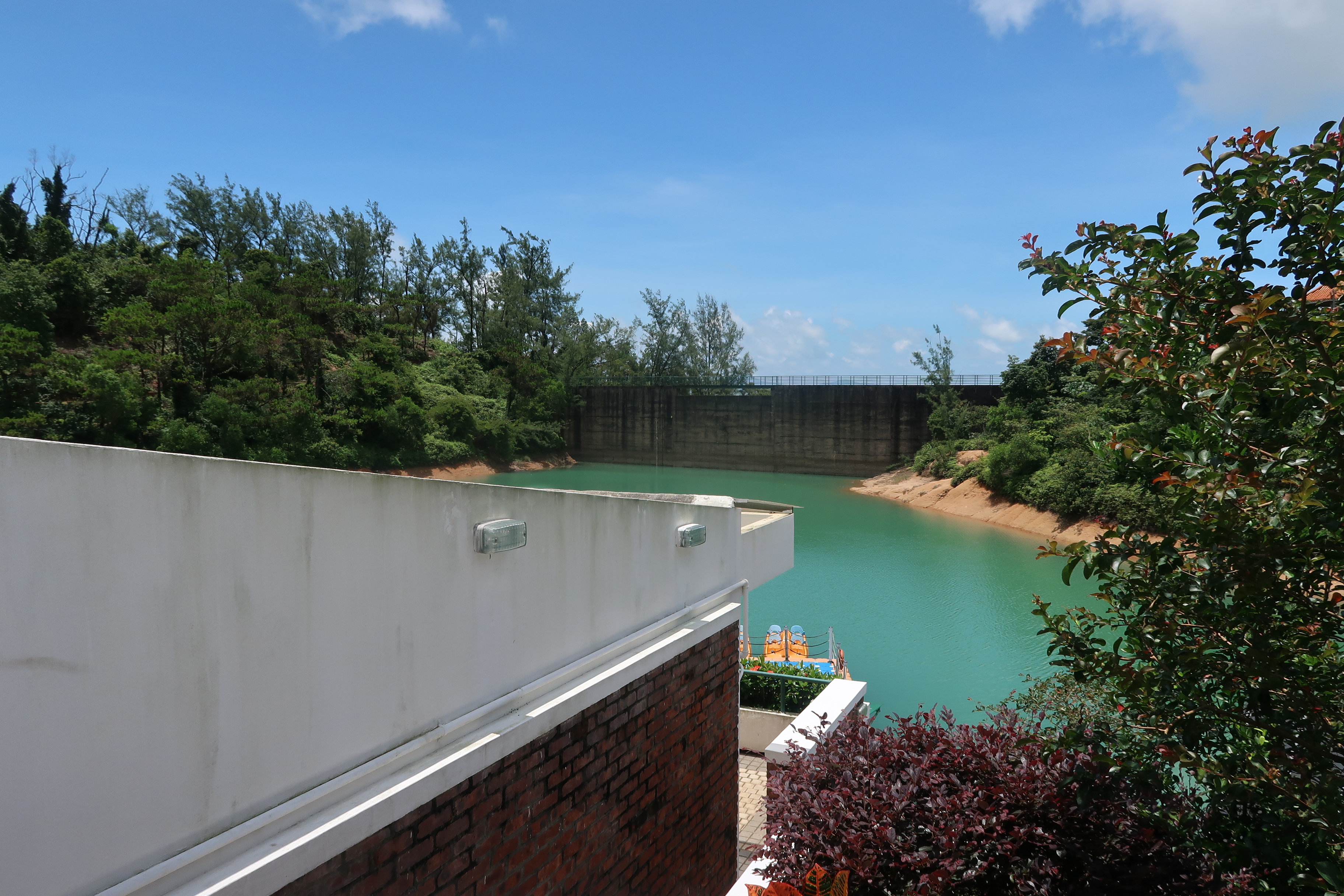
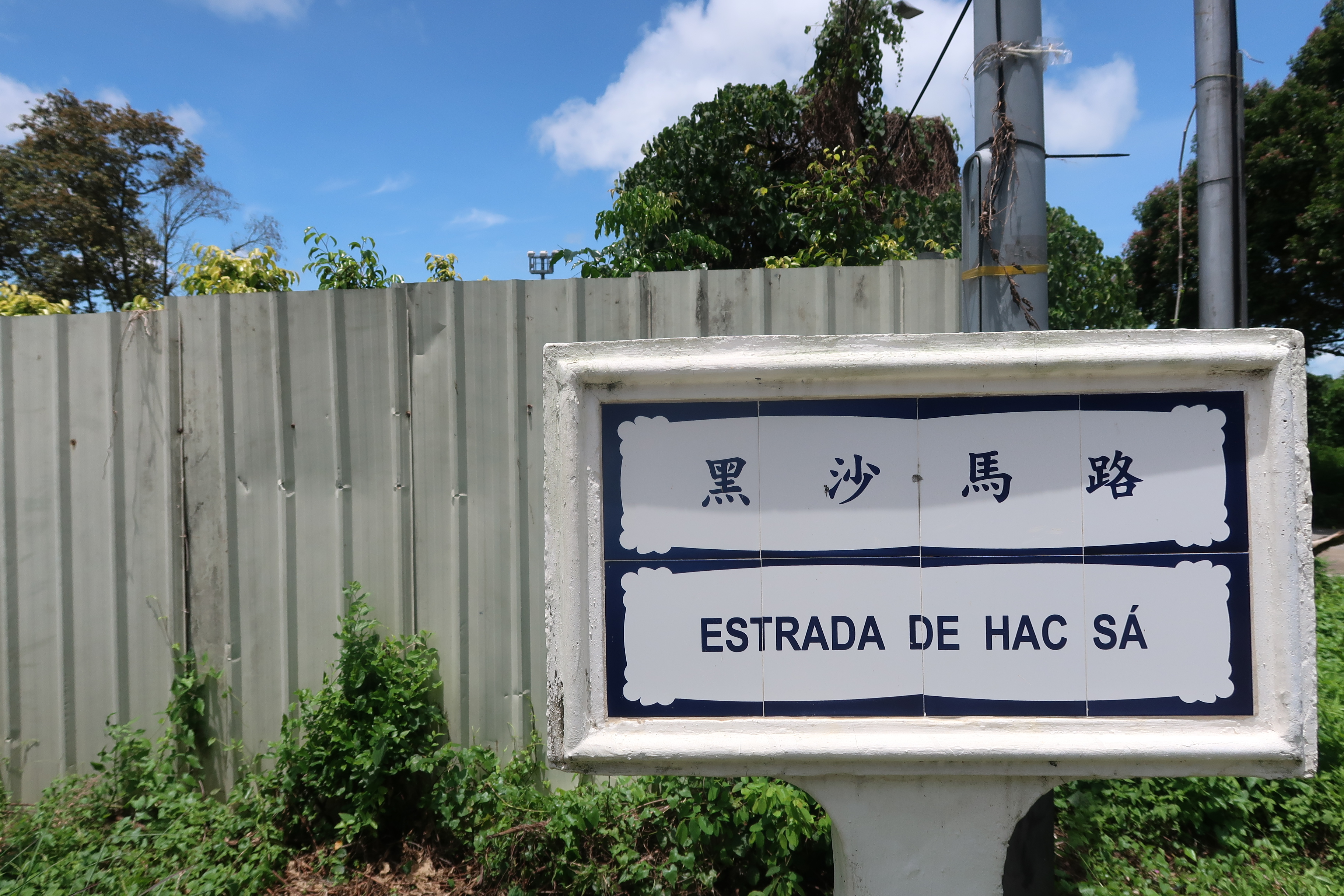
Hac Sa Beach located in Coloane, is the largest natural beach in Macau. The name “Hac Sa” is a translation from Chinese, which literally refers to the famous black sand as seen near the shore of the beach above. The water is quite clean and suitable for swimming. Popular with locals and tourists, it does get busy over the weekends, but there is plenty of space and activities for everyone to enjoy. From jet-ski and sail boat hire, plus other water activities. Nearby are barbecue pits, a campsite and a few dining spots and shops selling snacks and souvenirs.
Me in my sunglasses
However, due to long term and constant erosion from water and rubbish being washed up the shore from the South China Sea and Mainland China, we decided to help clean up the beach that day as well, so at the end of the day we were able to experience the beach in its best form with no rubbish at all, which made for beautiful photos of the sunset from the beach.
Kelvin taking photos of the beach
Hac Sa Beach offers a great opportunity for tourists and locals to escape from the casinos and entertainment along the Cotai Strip and have a little bit of quiet time to relax and rest with fresh air, while enjoying some of the best views of the South China Sea in Macau.
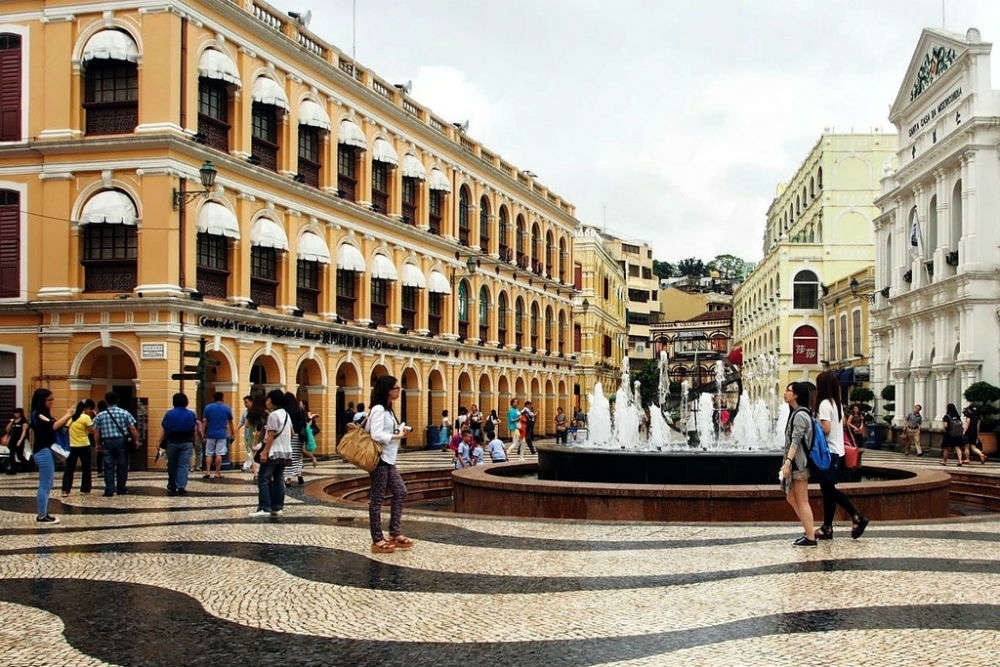
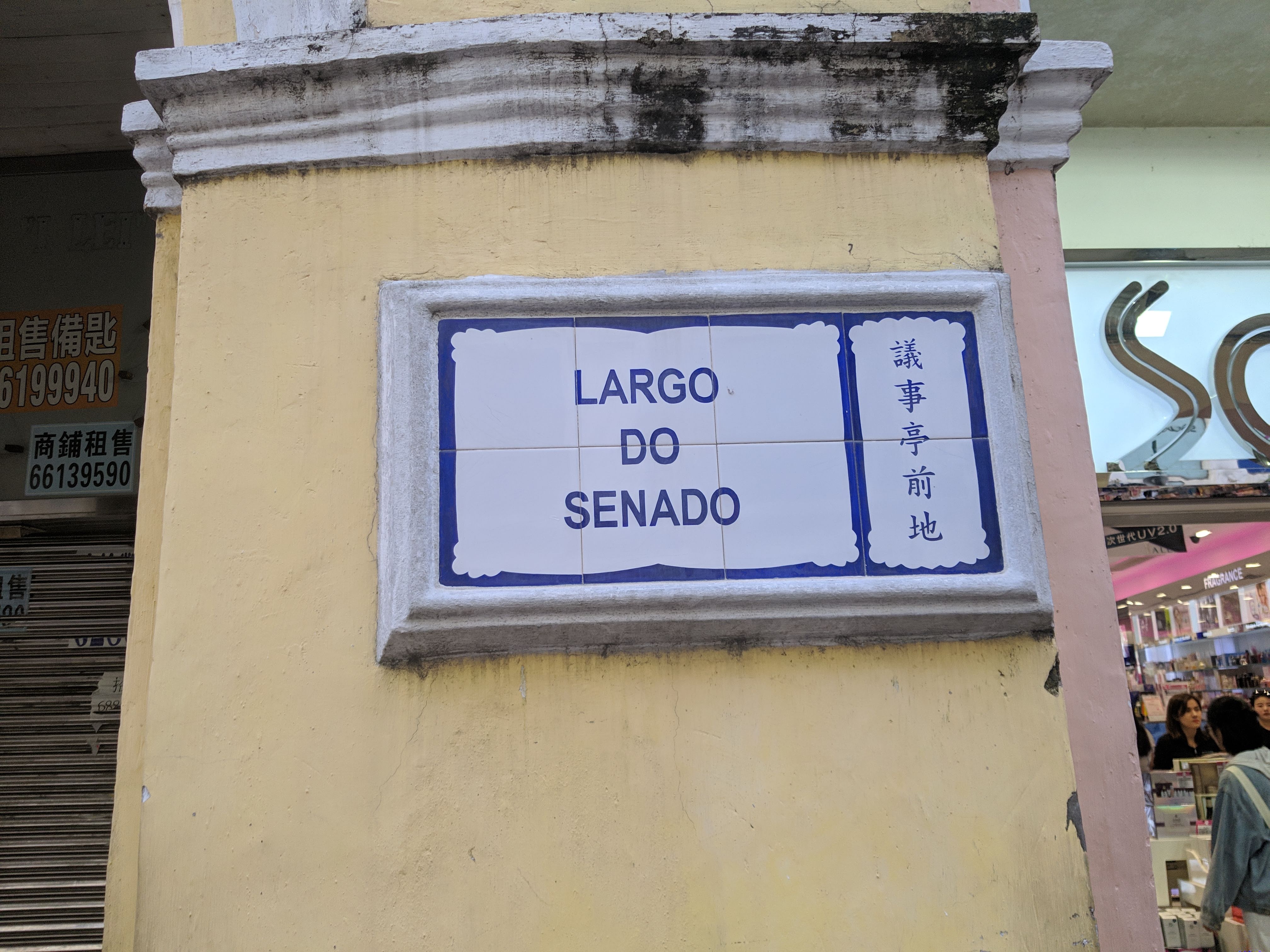
Senado Square (Largo do Senado) is a public square in Macau. It is located in the central area of the Macau Peninsula. Covering an area of 3,700 square meters (4,425 square yards), this is one of the four largest squares in Macau; the others being Praça do Centro Cultural, Praça do Lago Sai Van and Praça do Tap Seac. In 2005 it was inscribed on UNESCO’s World Heritage List as it forms part of the Historic Centre of Macau.
Senado Square.
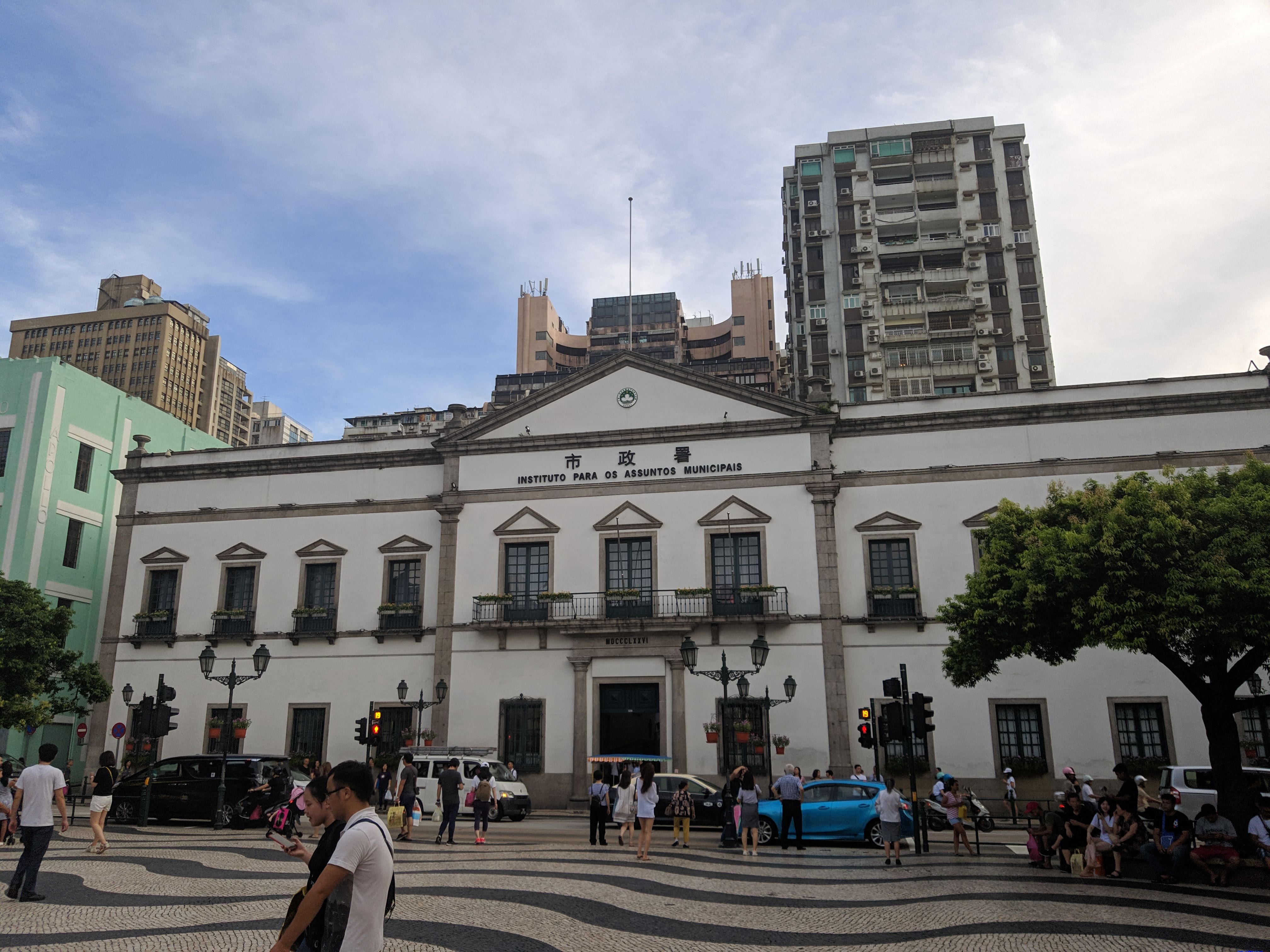
The square is so named as since Ming Dynasty (1368-1644) it has been in front of the Leal Senado Building. During the era of Portuguese control this is where the local authorities used to review the troops on their inaugurations. In 1940, there was a statue of a Portuguese soldier named Mesquita in its centre. He was responsible for the deaths of many Chinese soldiers during the hostilities with the Qing Dynasty (1644-1911). Understandably, the statue has been destroyed by Chinese people and replaced by a fountain; this is why the square is also called “the Fountain”.
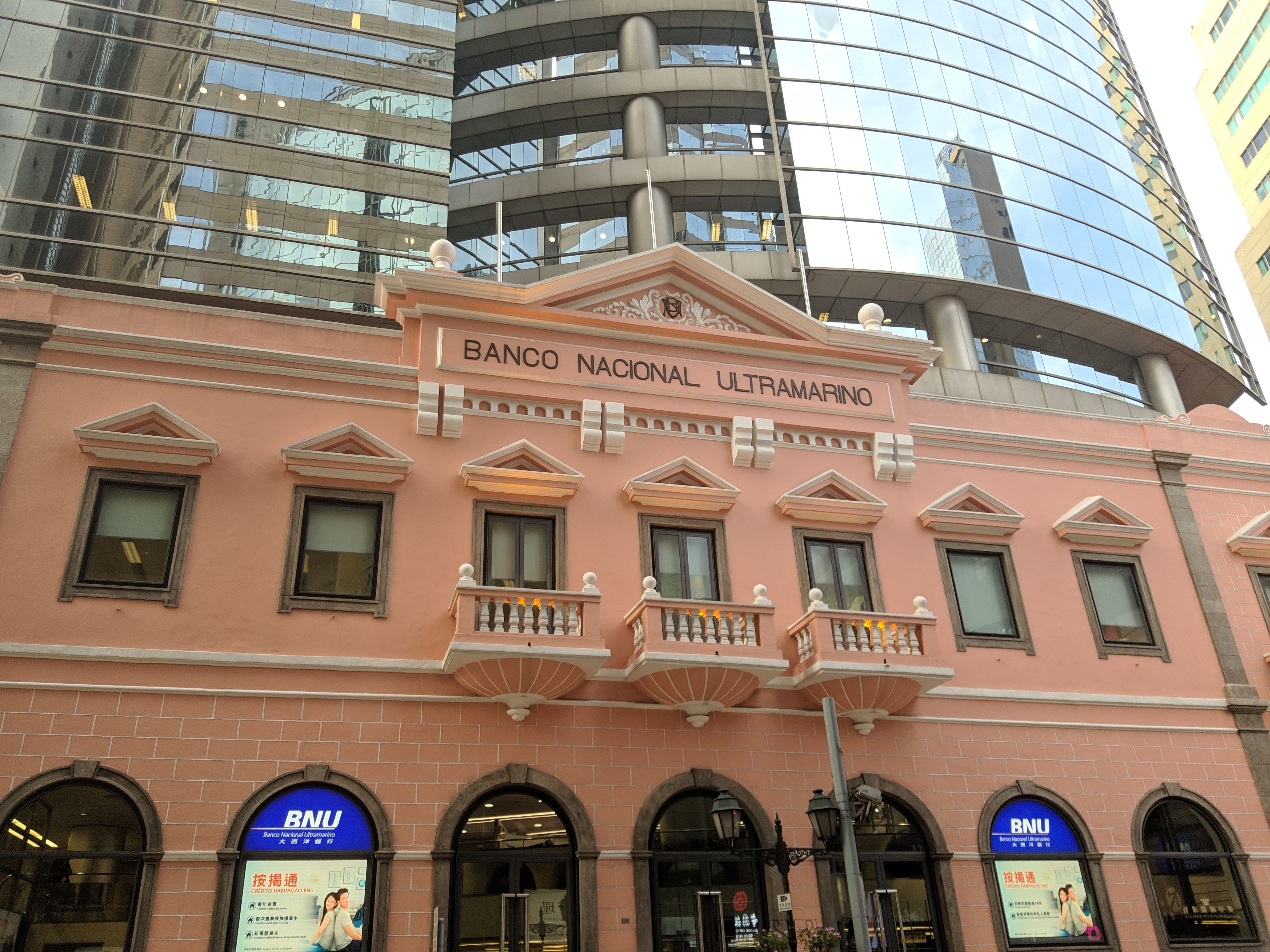
In the early 1990s, the authority hired some Portuguese experts to pave the Senado Square with a wave-patterned mosaic of colored stones. From then on this area has become a popular place for cultural activities in Macau. The buildings around the Senado Square have a long history and have many western features, so they have been well protected by the authority and no one is allowed to alter the facades of these buildings.
There are shopping centers and traditional Chinese restaurants around the Senado Square. Fashion clothes, famous snacks and the scenic environment make Senado Square a famous attraction. Firework displays, lion and dragon dances are usually held on special days such as the Chinese New Year and Christmas. One can go and enjoy those activities.
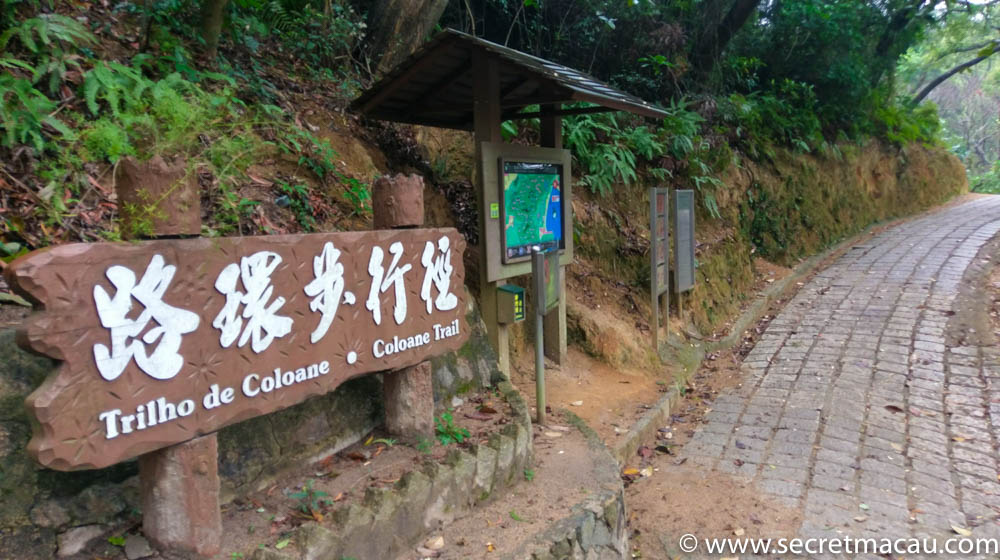
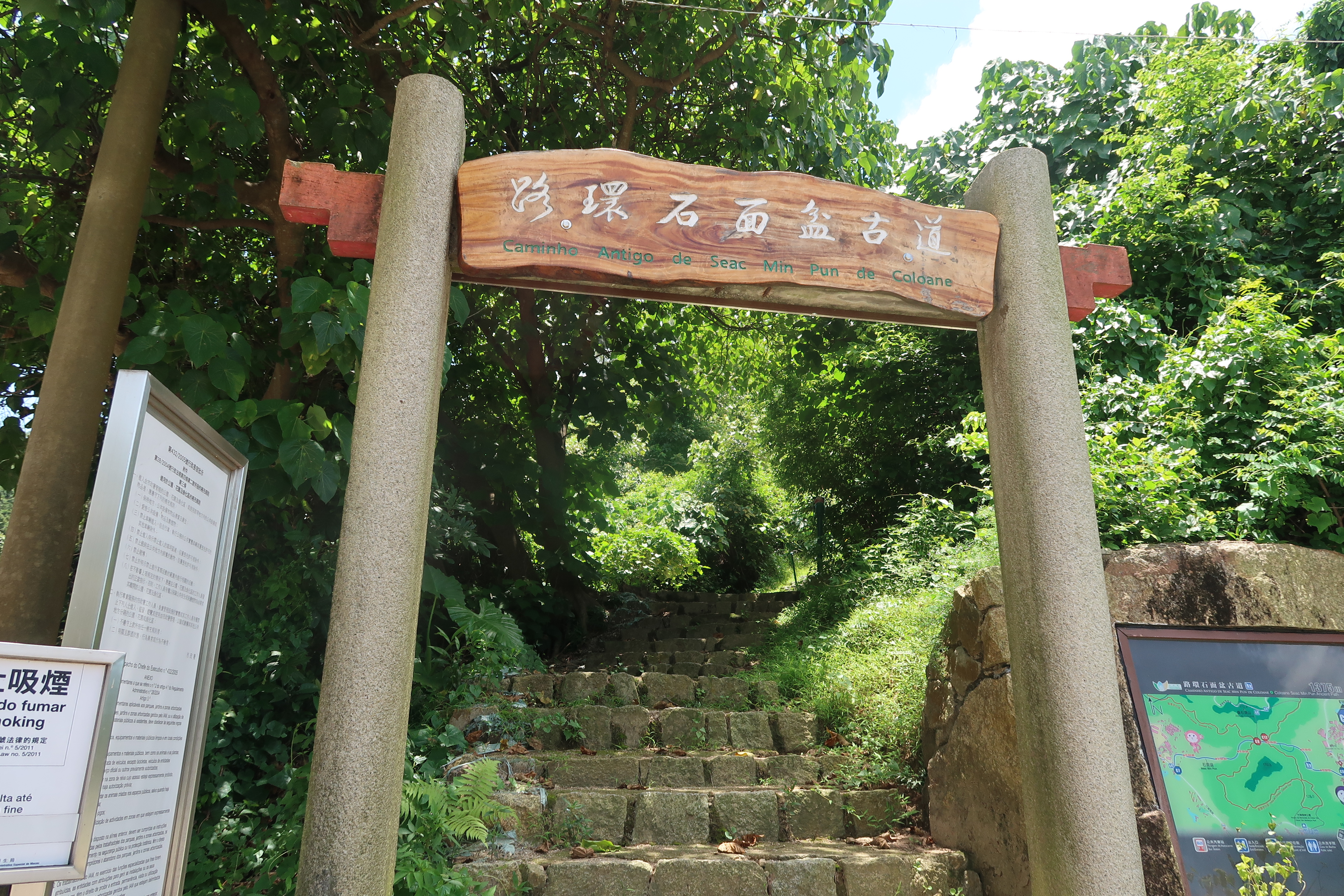
The Coloane Trail is the longest dedicated walking trail in Macau, stretching for 8100m in a circle around the hills of Coloane, at an average of 100m above sea level.
The hills are criss-crossed with other paths, which join the main trail frequent points along it’s route – so it is possible to join, and leave the trail at many locations (Hac-Sa beach, Coloane Village, the Panda Pavilion, etc).
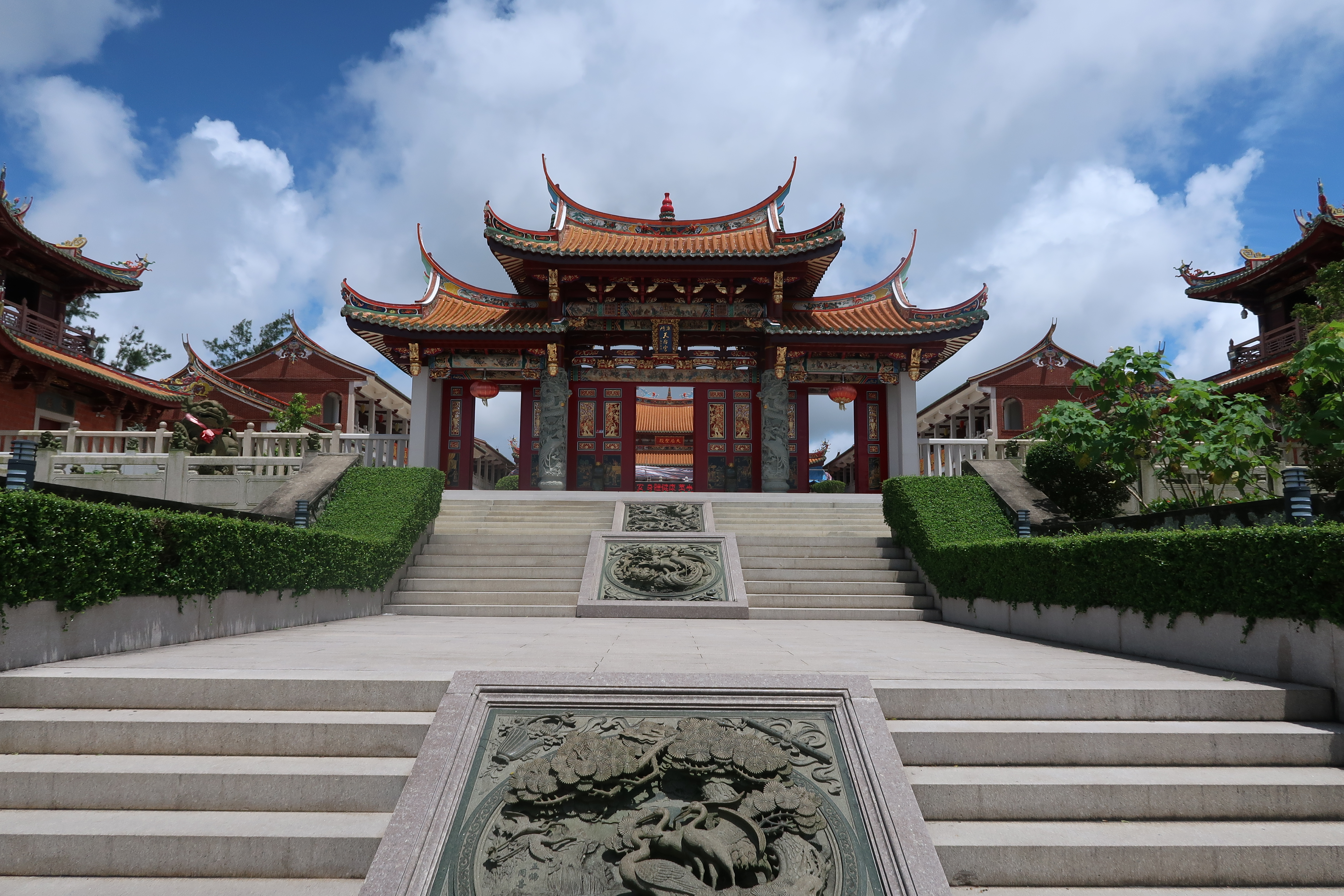
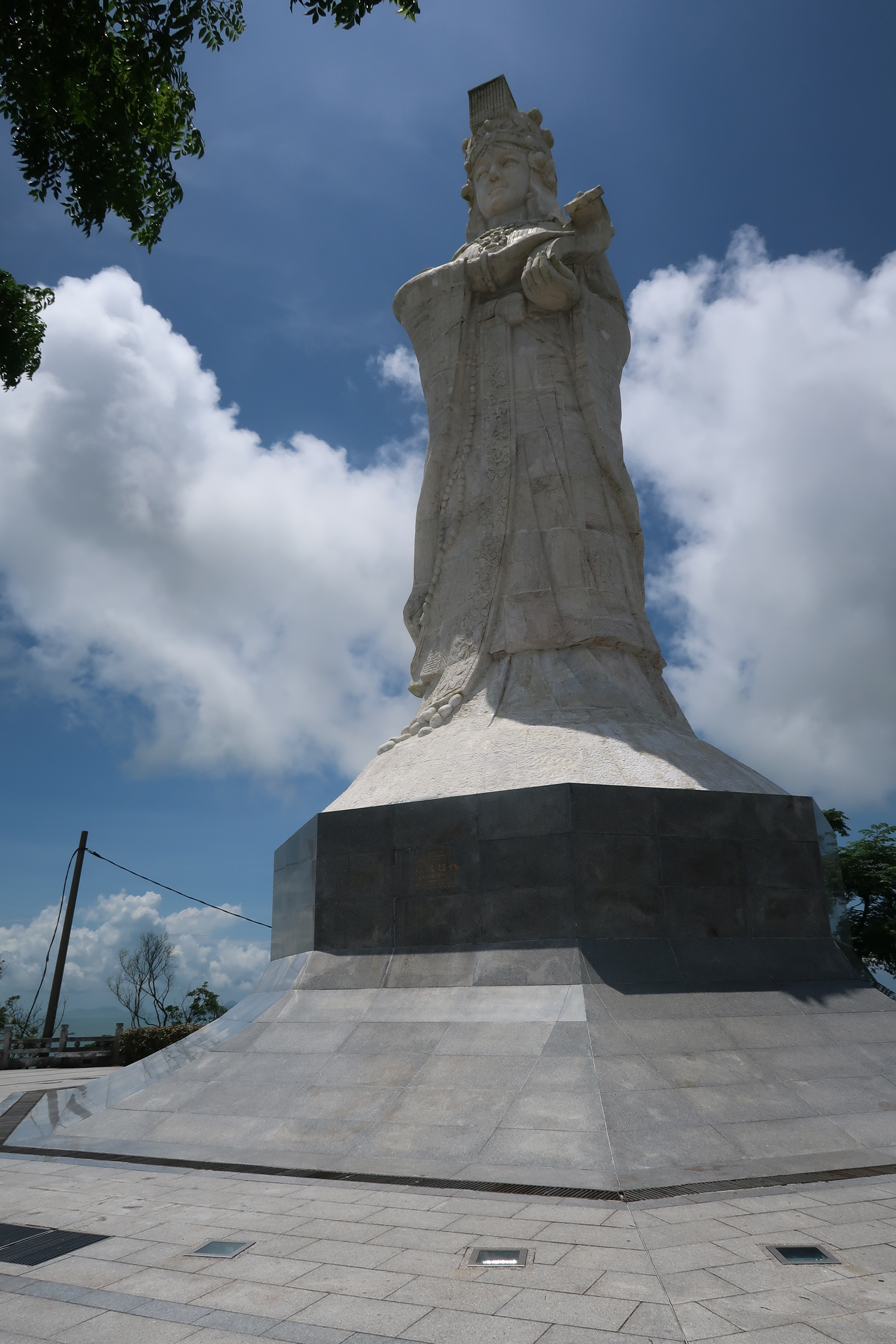
There are also paths leading further up the hills – so it is possible to use the trail to walk to the A-Ma Cultural Village at the very top of the biggest hill.
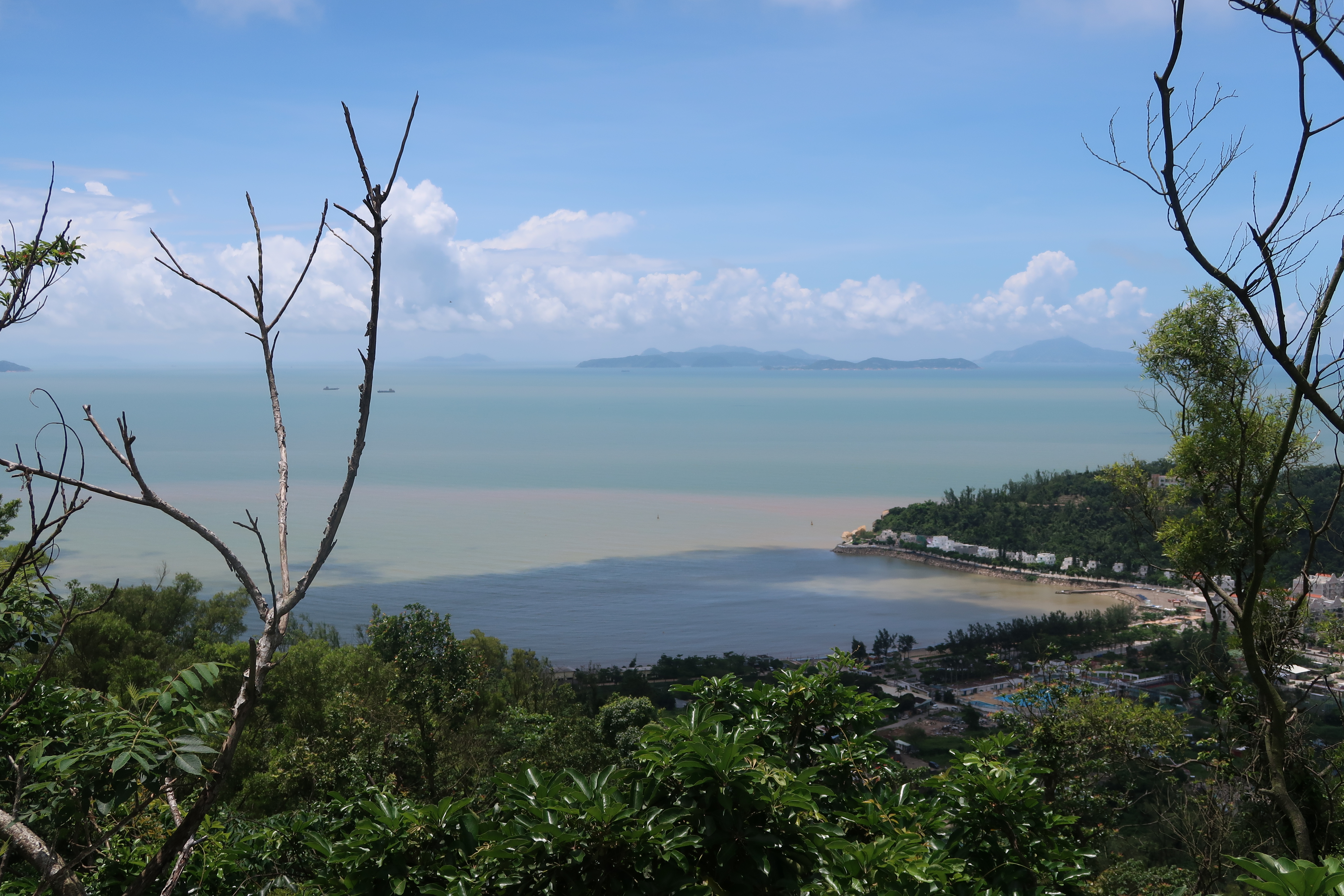
It’s an absolutely beautiful route – especially on a clear day. If you do the full circuit you will get awesome views of Coloane village, across to the mainland, Hac-Sa beach and the Cotai Strip, not to mention the views across the wooded hillsides themselves.
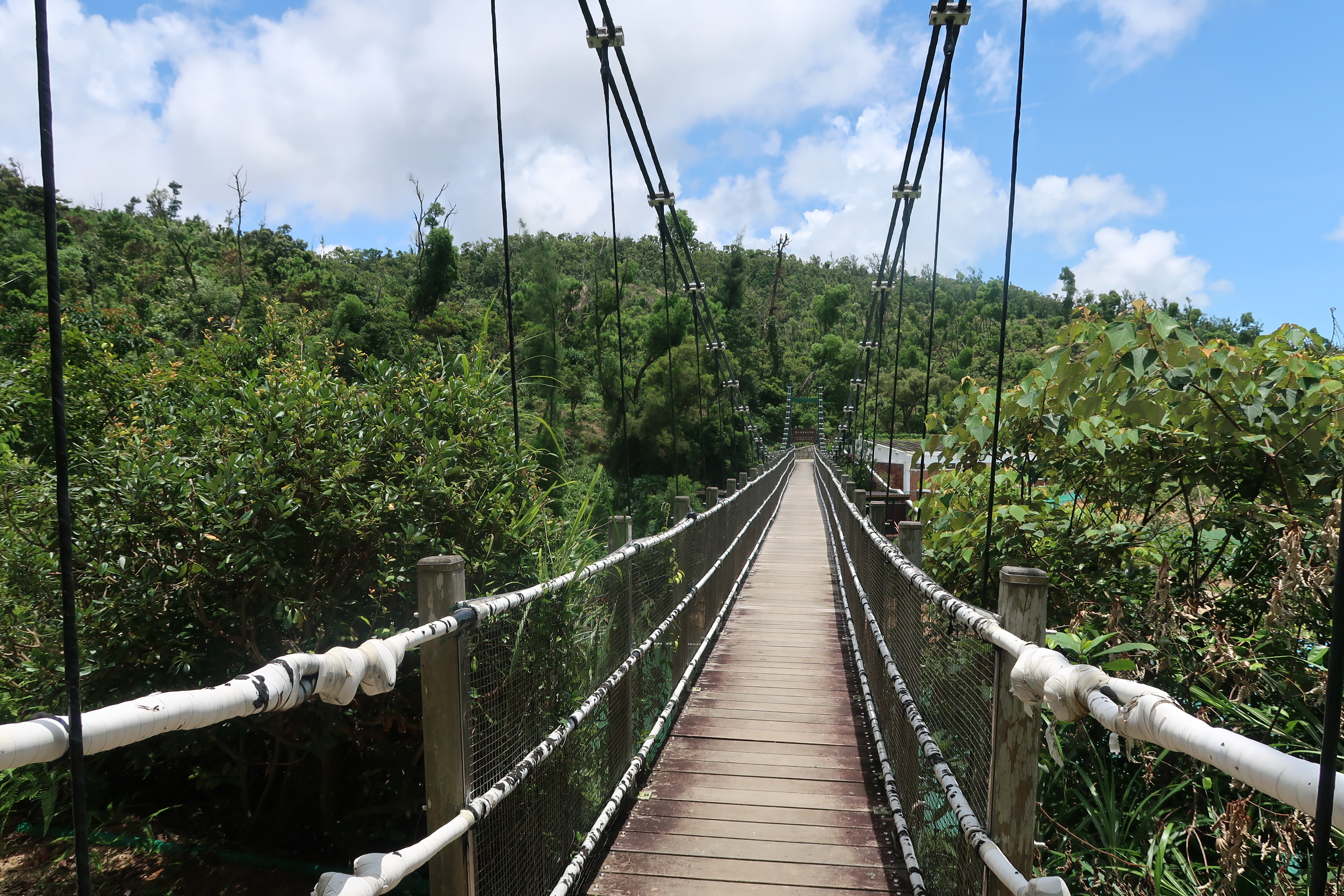
The pathway through the hills is really interesting too – it’s a well kept trail, flat(ish) in the most part, but with some really great features to break it up – stepped areas, boulders by the path, and the whole route is dotted with small pagoda style rest spots, usually at the points where the best views are.
There are various places where you can join the trail – the one I usually use is near the entrance for the Panda Pavilion and A-Ma Cultural Village shuttle buses – which can be reached by these buses:
You can then either follow a path up from Parque De Seac Pai Van (Panda Pavilion), or walk up the main road up the hill (its a steep initial climb, but once you pass the building on the bend, the paths to the trail open up).
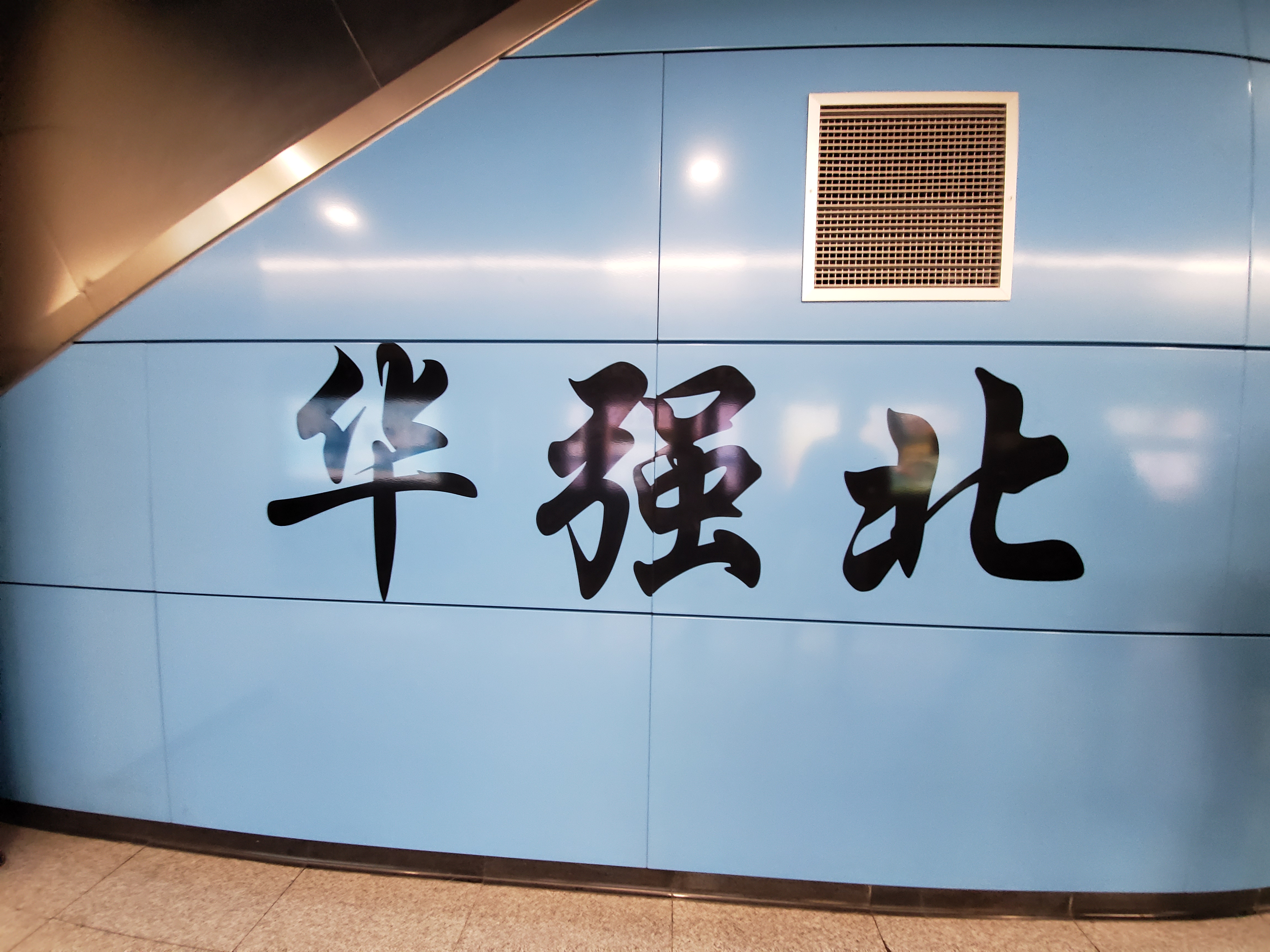
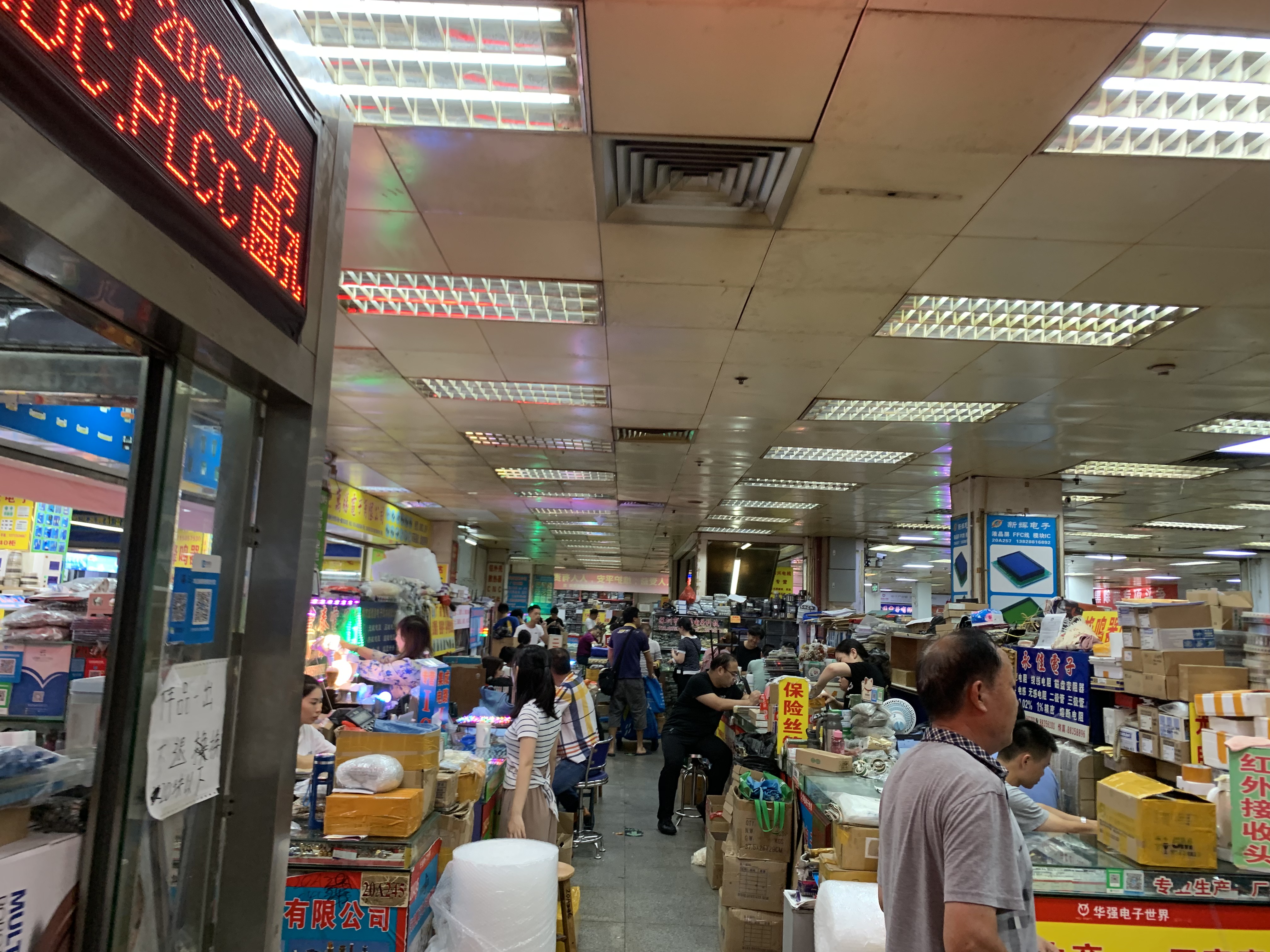
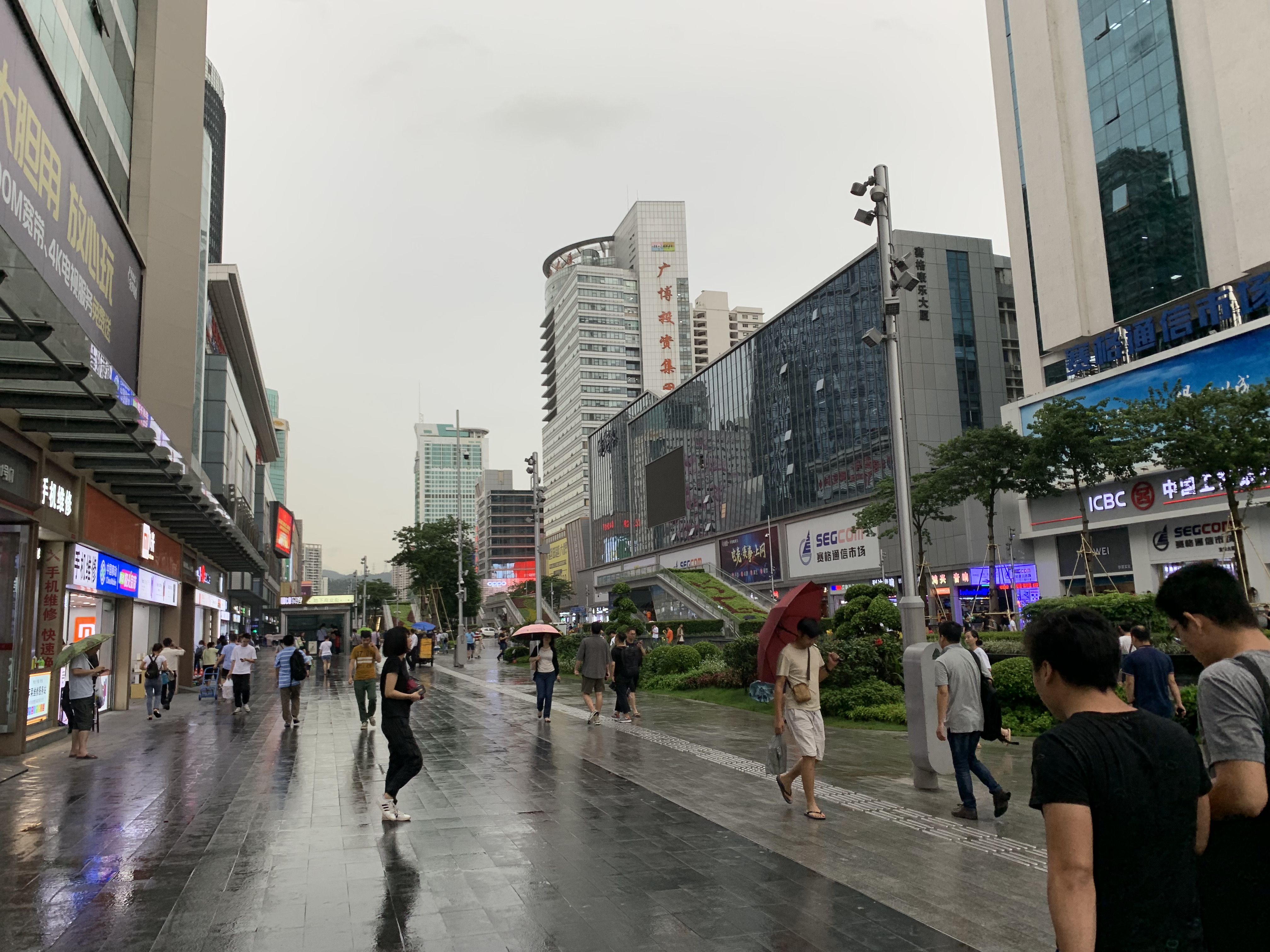
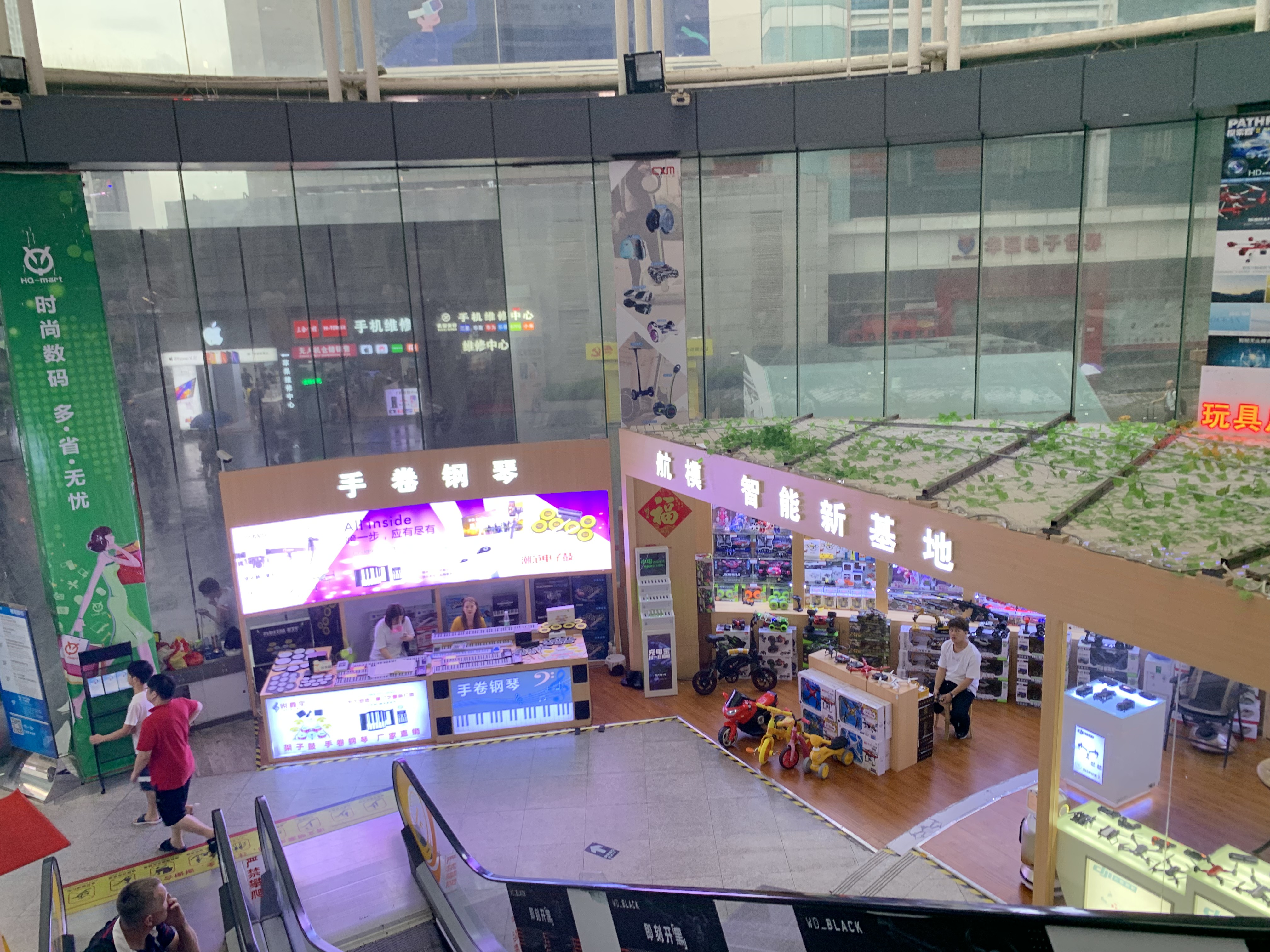
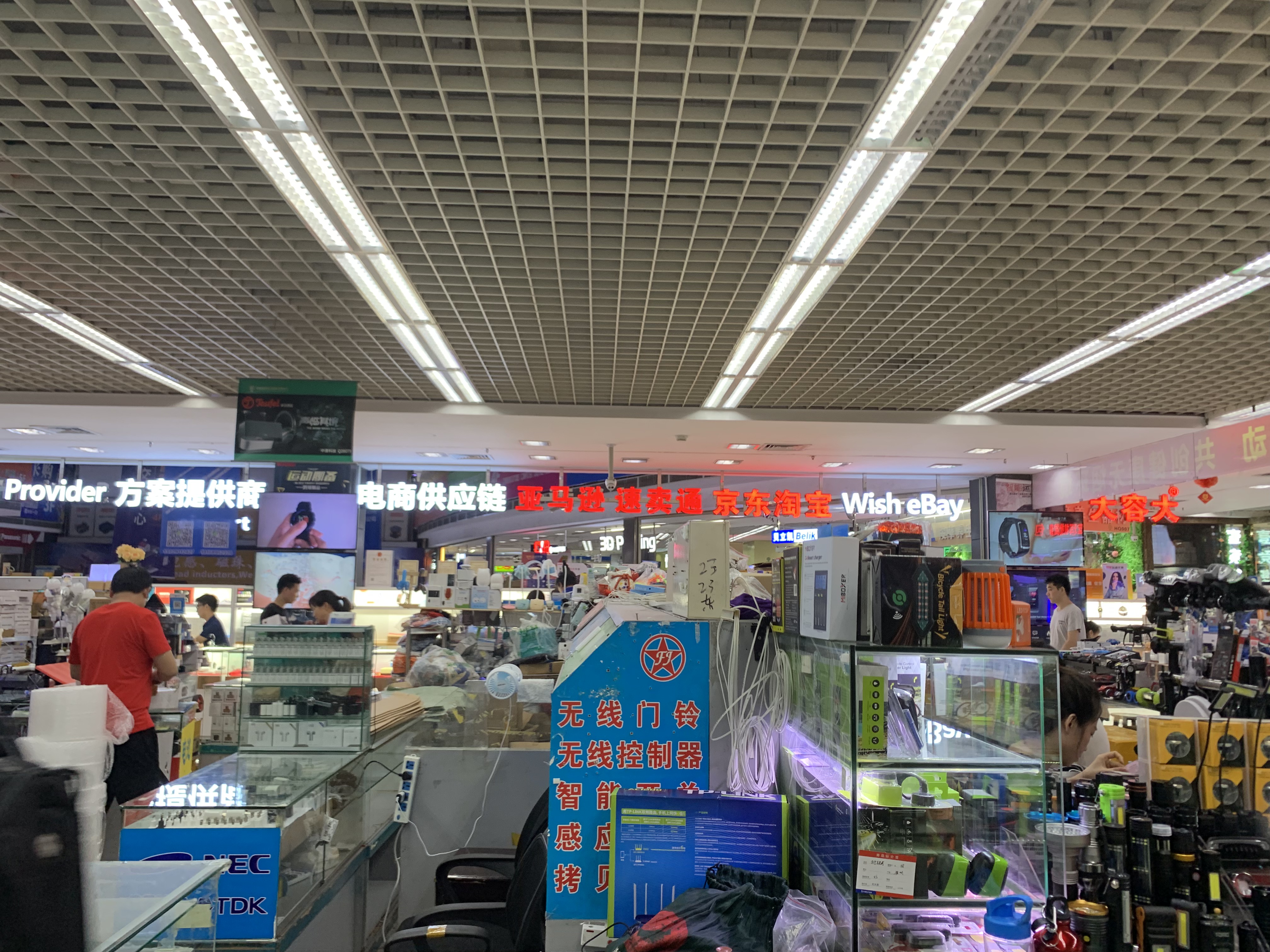
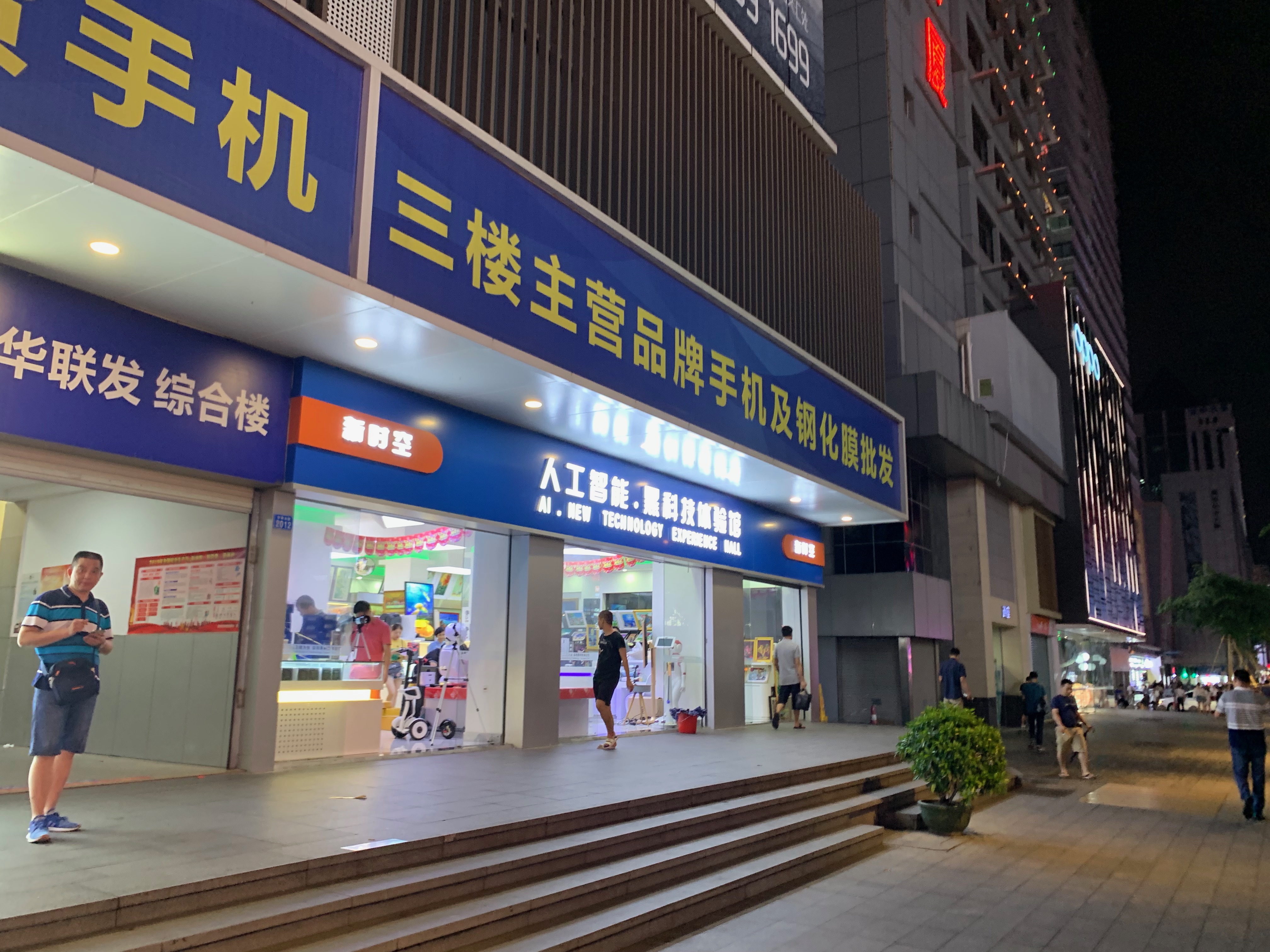
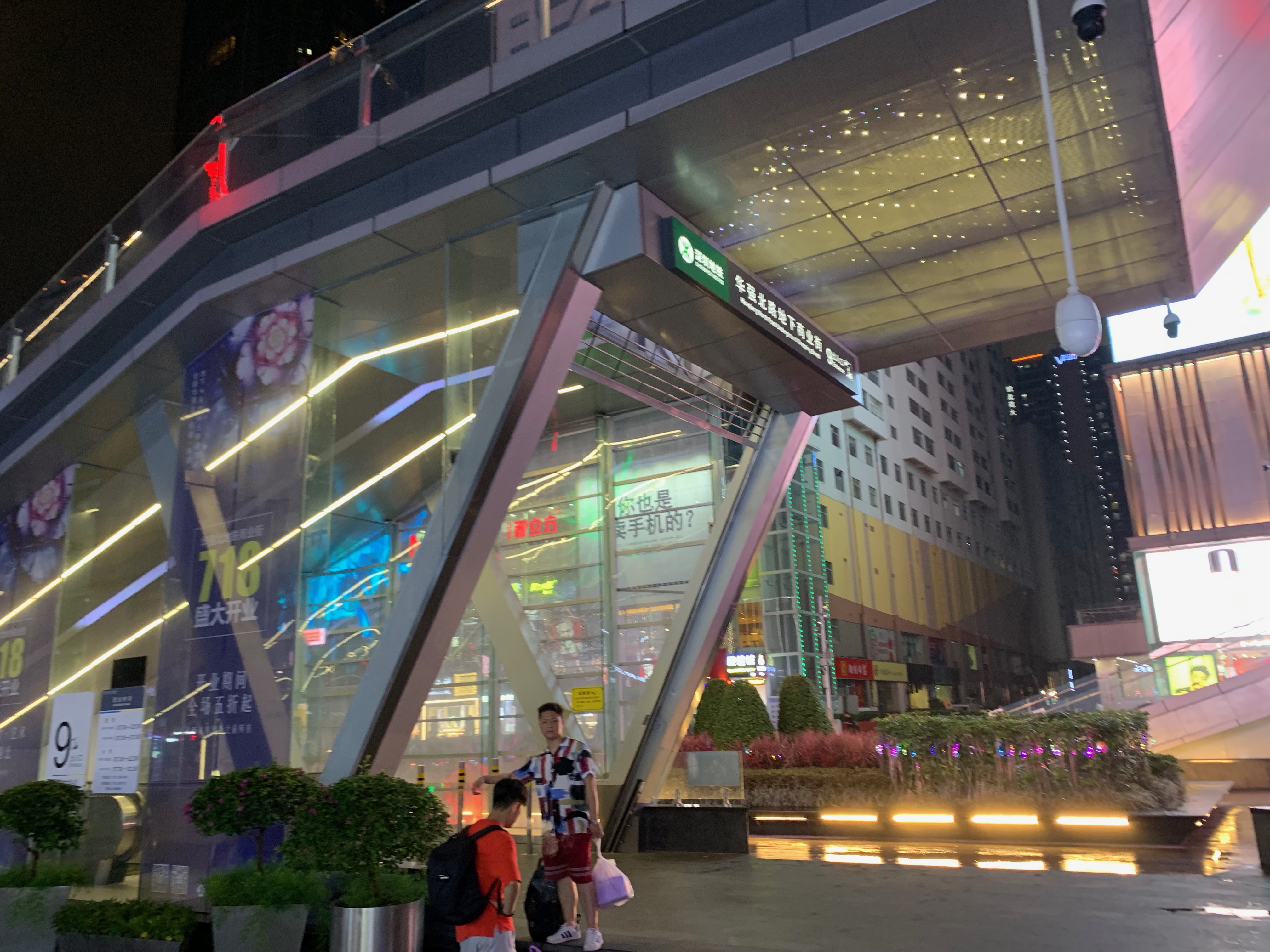
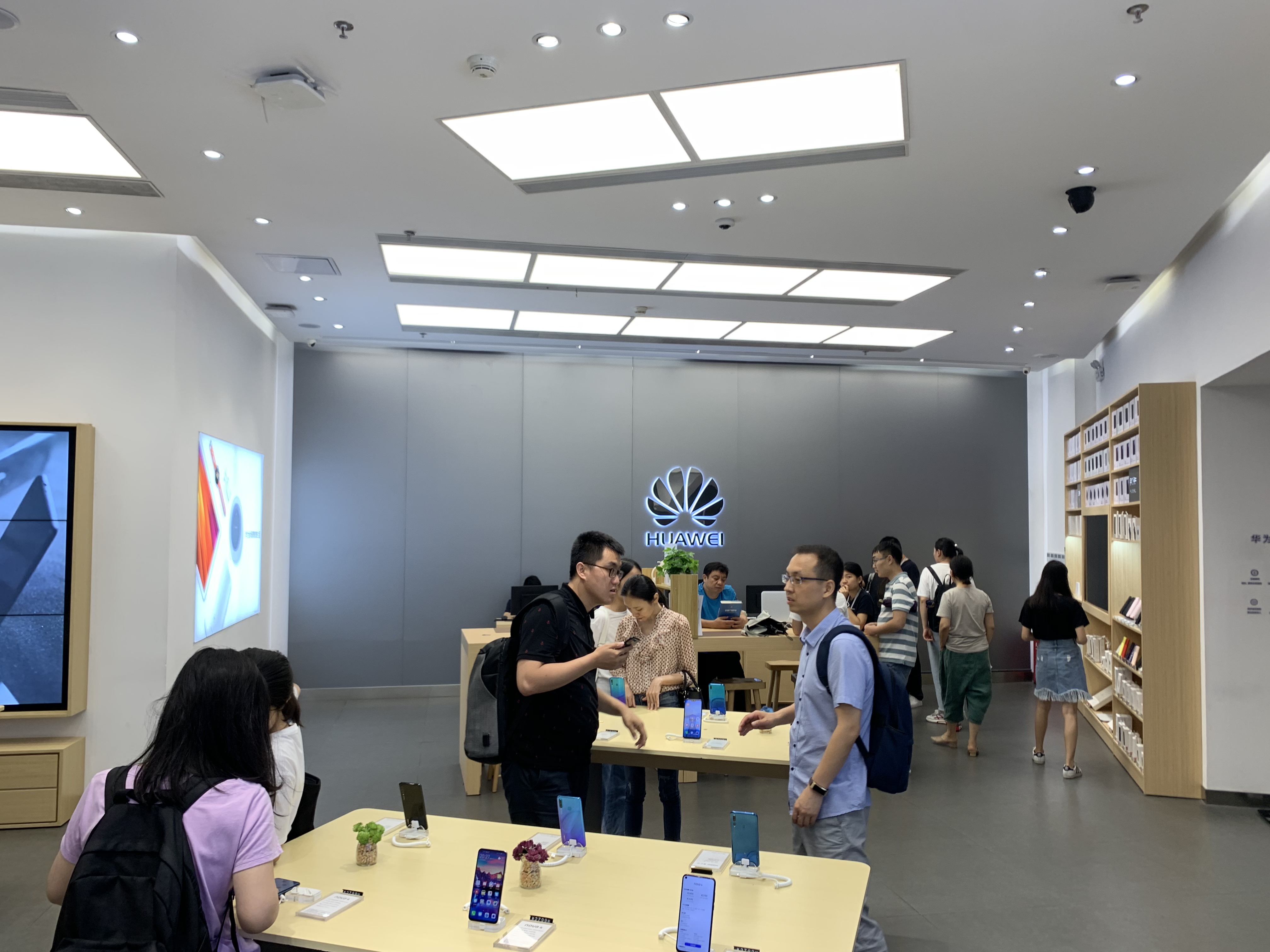
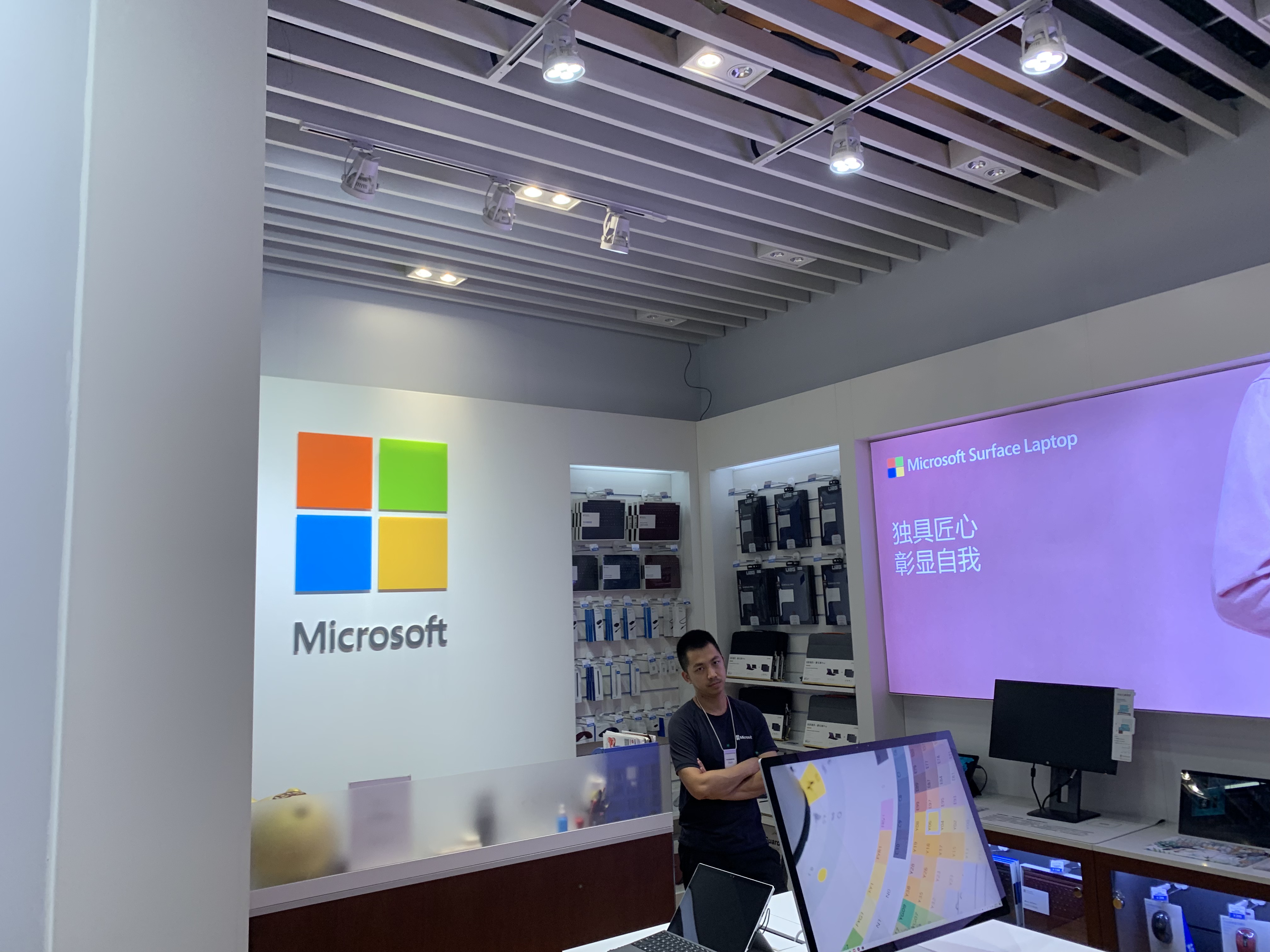
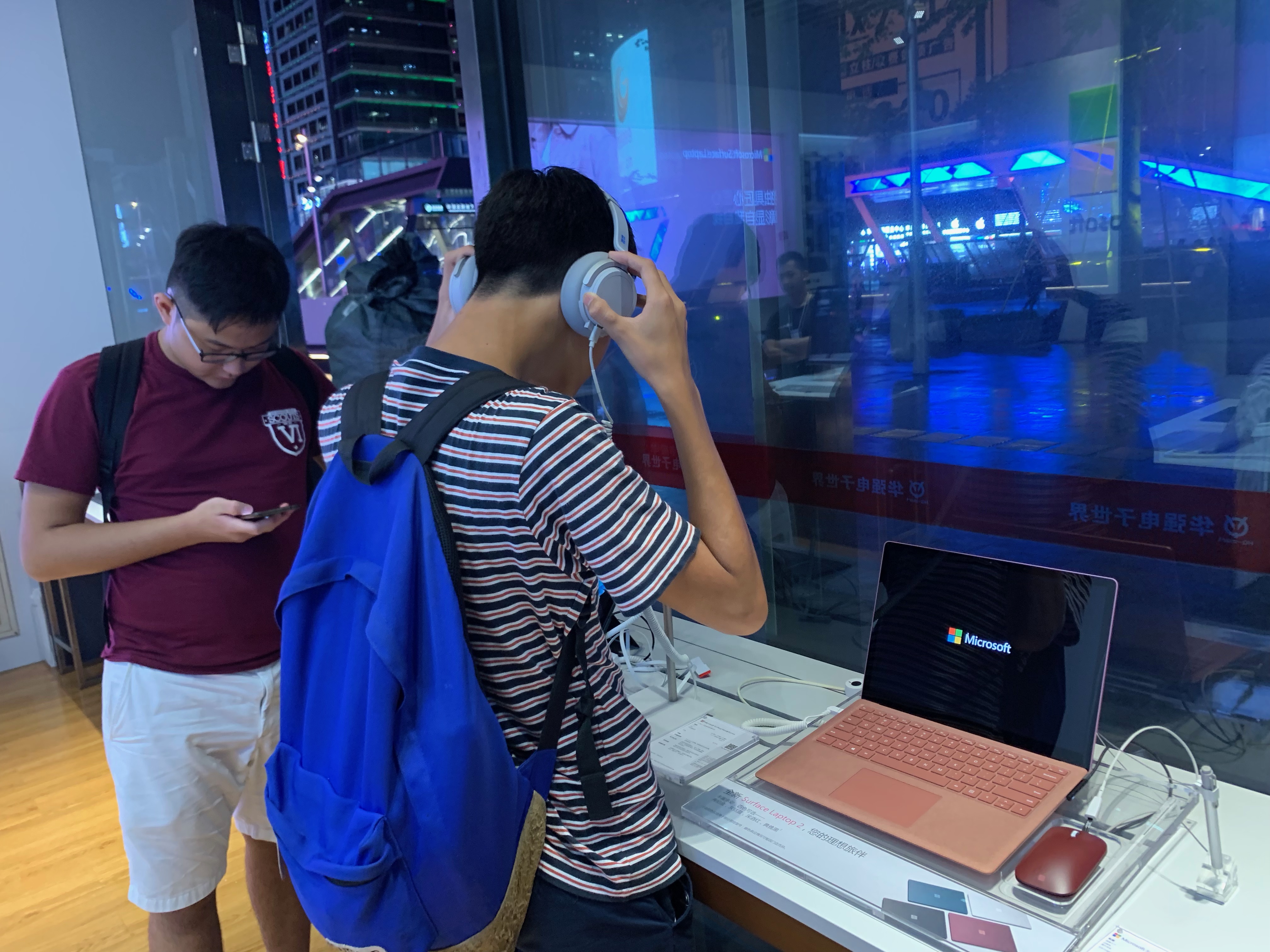
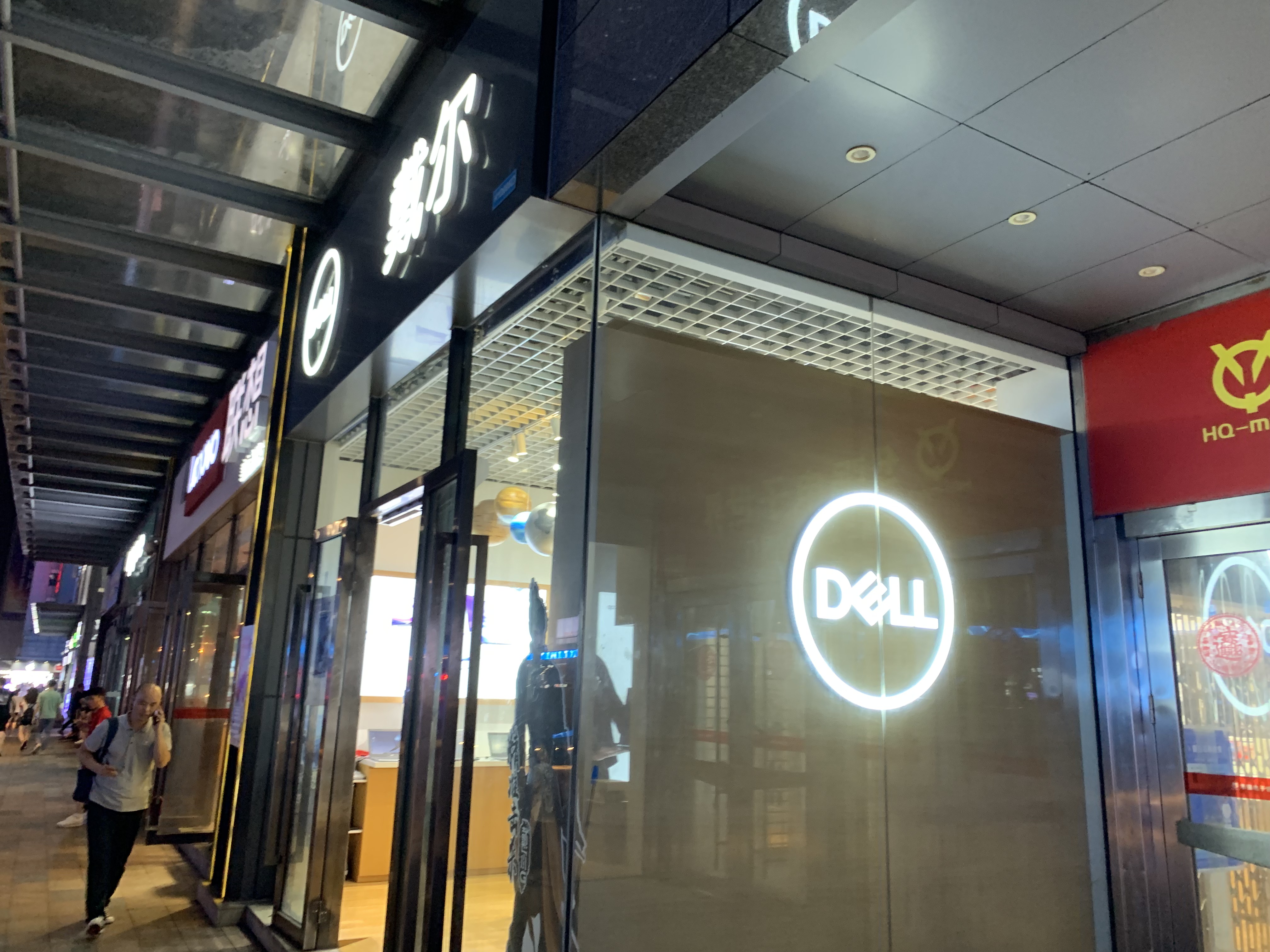
As one of the top shopping destinations in Shenzhen, Huaqiangbei Commercial Street (华强北) is renowned for its electronics markets, but it also has plenty to offer those looking for men’s and women’s fashion.
The shopping area starts where Huaqiang North Road (aka Huaqiang Bei Lu) intersects with Shennan Middle Road and then all the way north through to Hongli Road totaling about 1km in length. Recently revitalized after 4 years of construction work, Huaqiangbei Road is now a modern pedestrian-friendly shopping mecca that is mirrored by an underground mall stretching the same distance, the largest of its type in China.
The side streets and the streets running parallel to Huaqiangbei North Road (namely Huafa North Road) are also full of life too, making this an incredibly large shopping destination for wholesale electronics and components plus retail shopping.
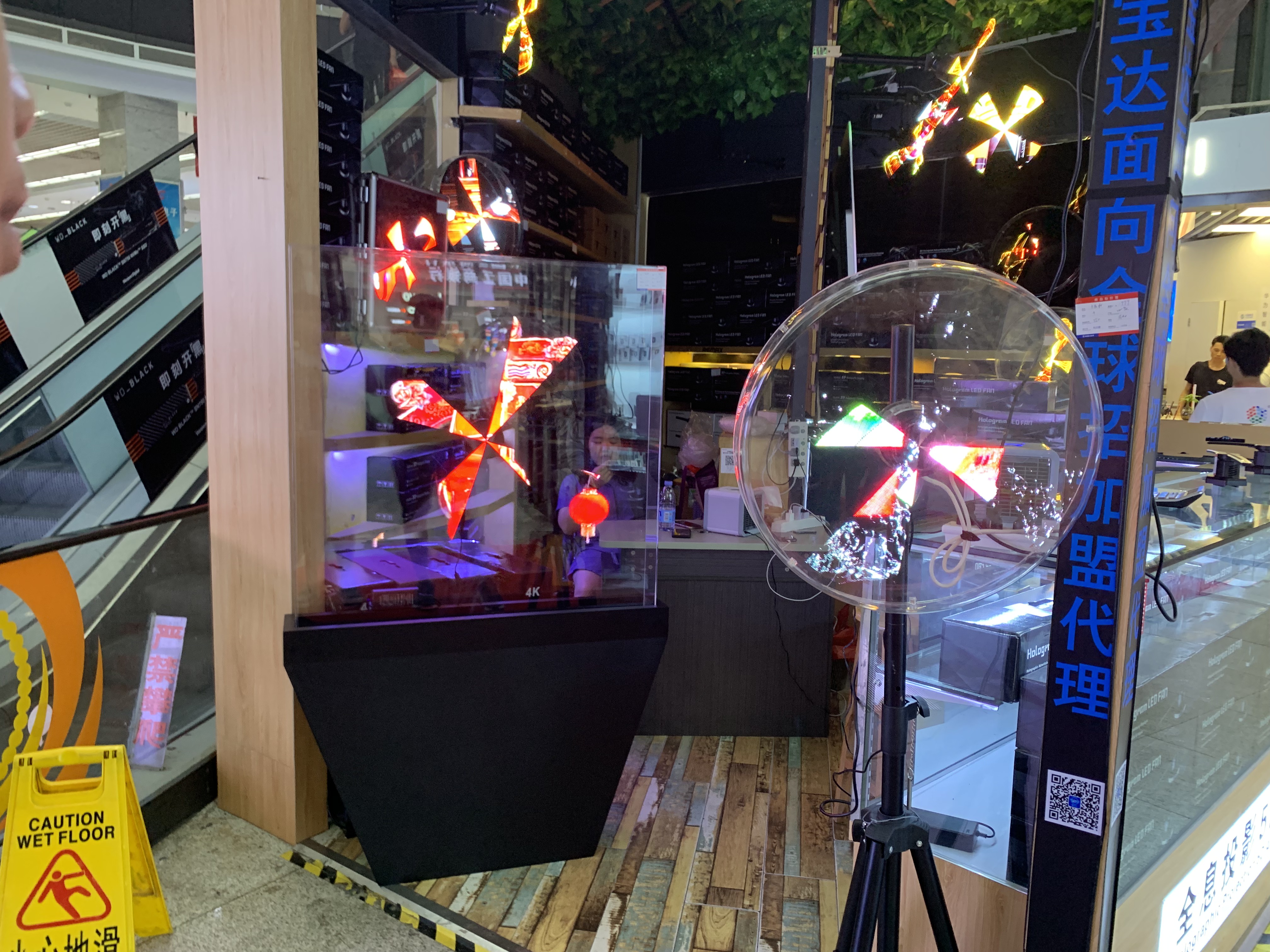
The area is reported as being the largest electronics market in China, and possibly one of the largest in the world, which stands to reason as Shenzhen is a major producer of electronics goods, and it’s a city where many big brand tech gadgets are produced.
There are over 20 shopping malls located in the Huaqiangbei area which provides about 70 million square meters of business area. Annual sales reaching over 20 billion, and there’s something like 130,000 people employed in the area. Yep, it’s large.
For the first time visitor, it can be almost overwhelming, with so much spread over such a huge area where do you start? So, let’s try to break it down a little.
The big malls for electronics and gadgets include:
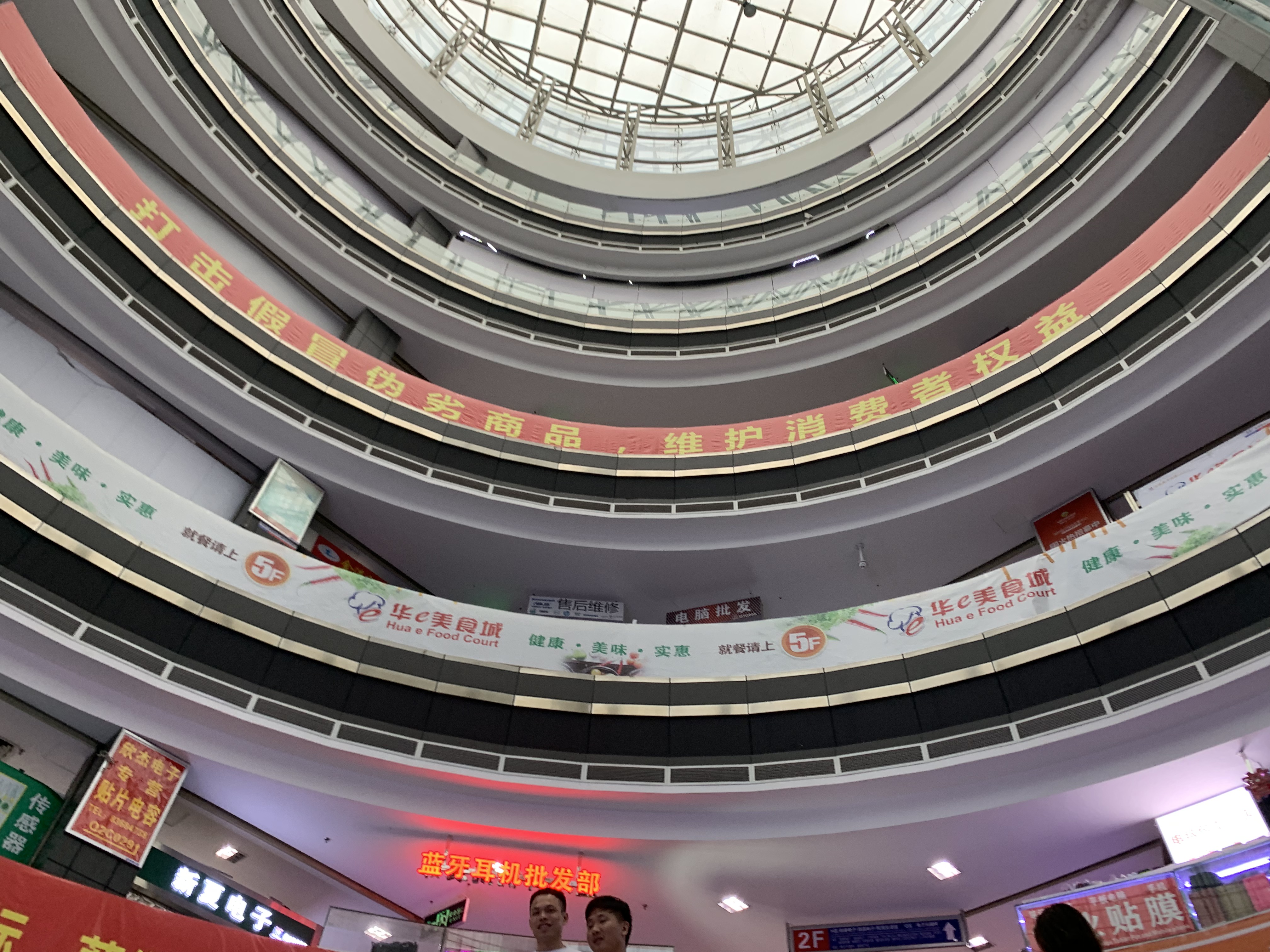
SEG Electronic Market (赛格广场) – 10 floors including cables, tools, electronic parts, PC’s, laptops, GPS and all types of gadgets. Also has a new section for wearables inc. fitness trackers and smartwatches.
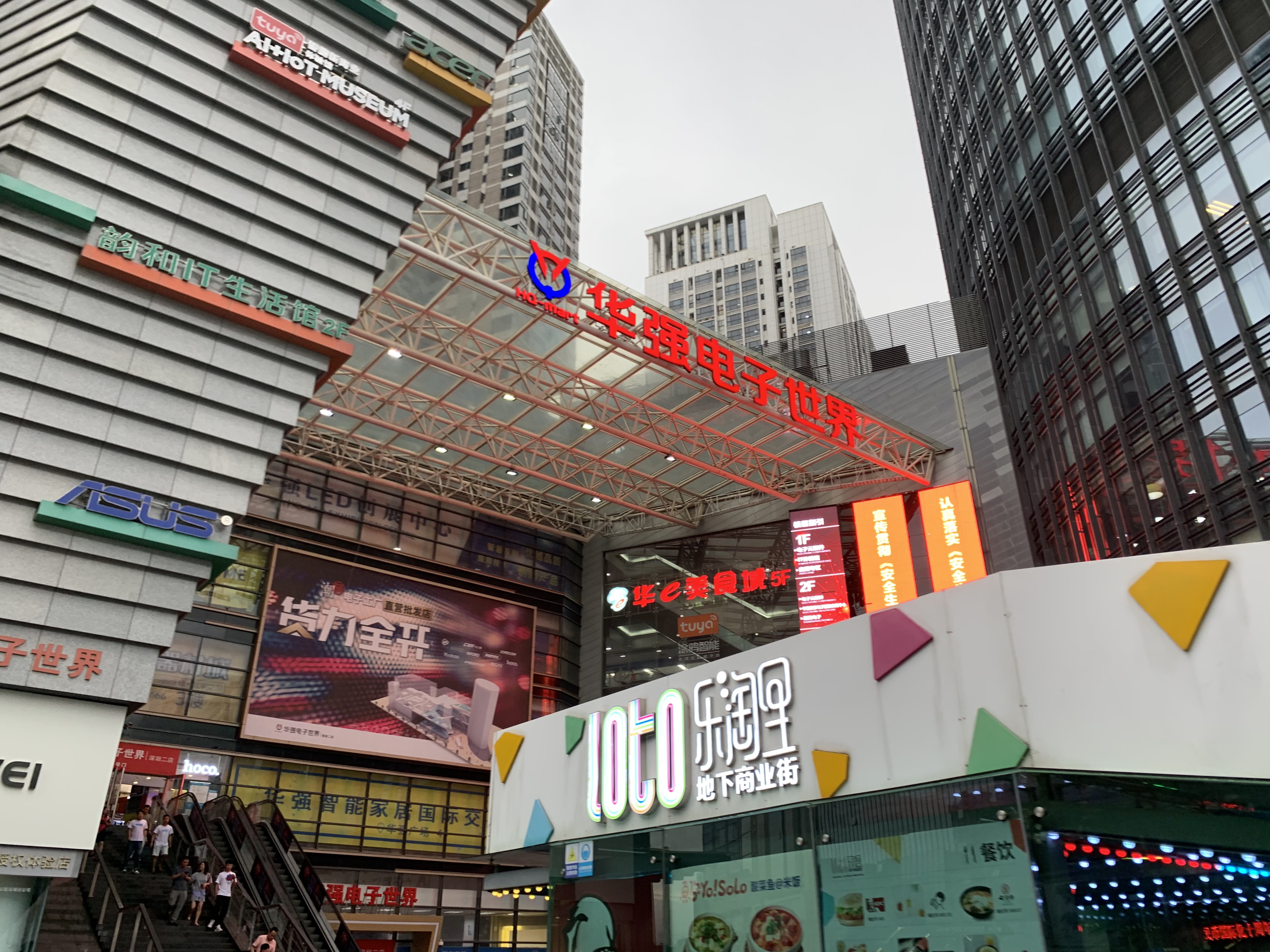
Huaqiang Electronic World (华强电子世界) – several multi-floor buildings, including parts (new and used), electronics repairs, tools, chips, LED, cables, and more consumer electronics.
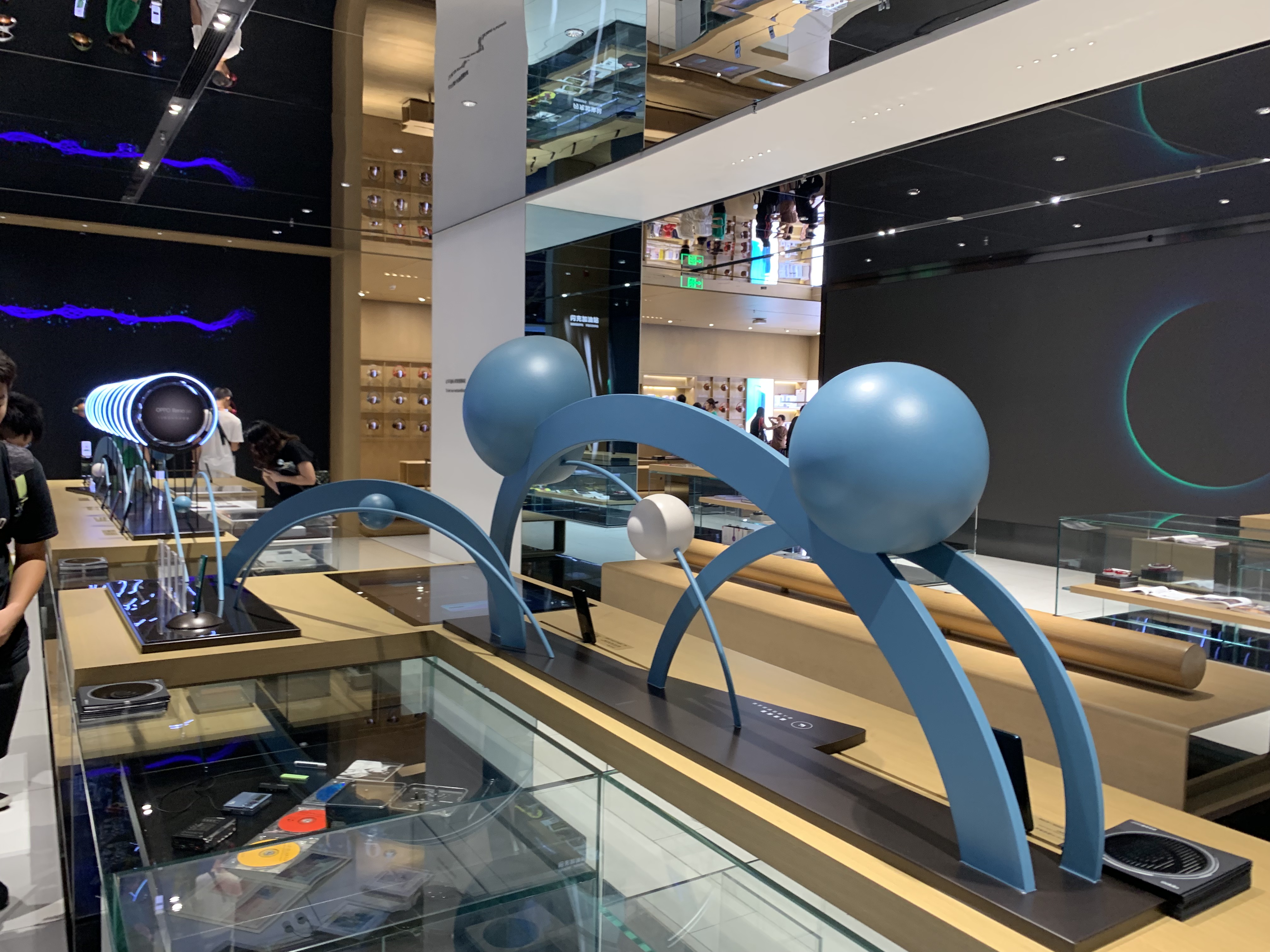
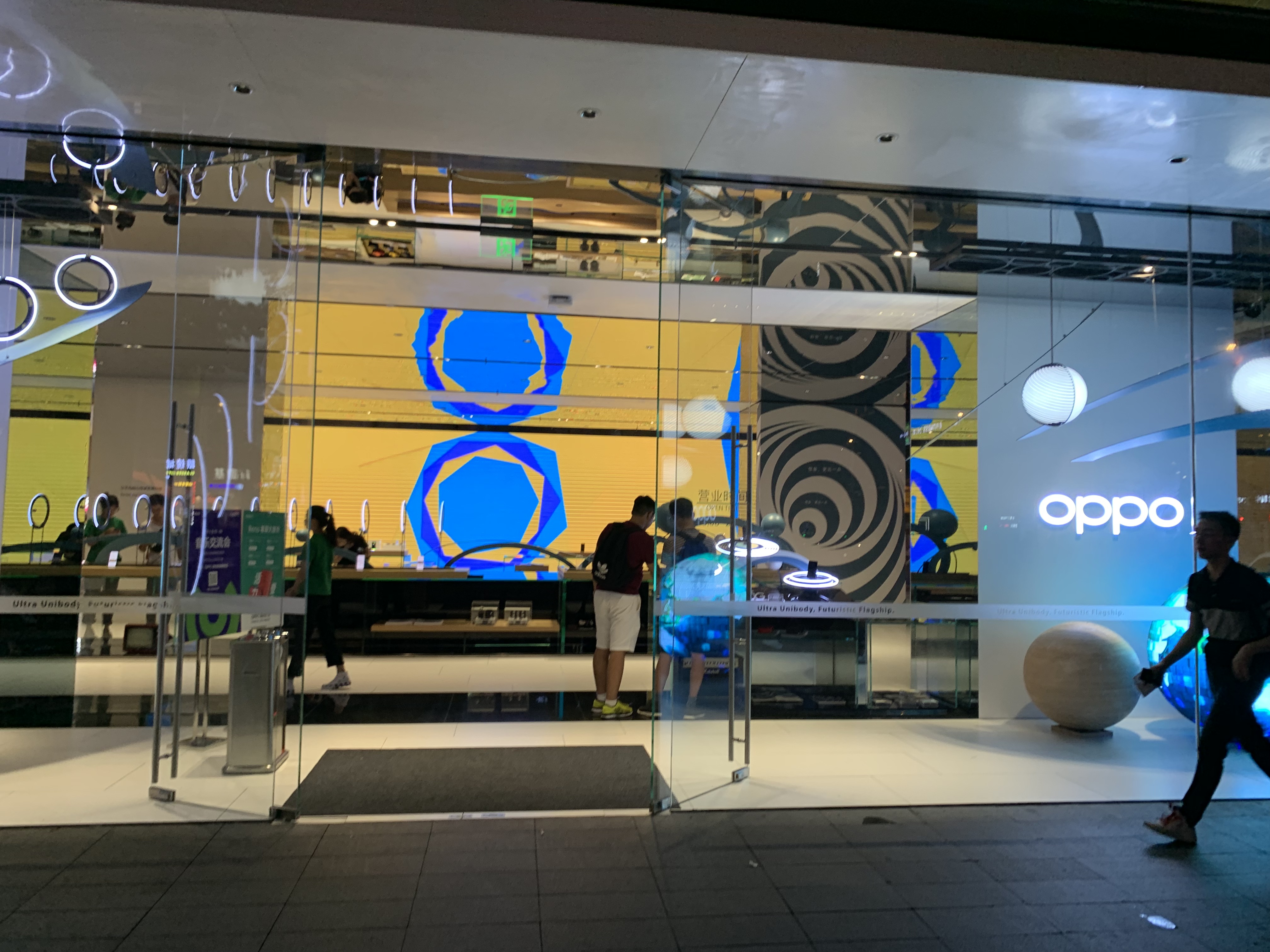
Yuanwang Digital Mall (远望数码商城) – mobile cell phones, computers, gadgets, iPhone & iPad cases, and accessories. There are also several stores around here selling drones, and one dedicated to DJI drones and accessories with attractive prices on my last visit. Toy quadcopters are everywhere.
Manhar Digital Plaza (曼哈数码广场) – Mainly retail mobile phones, drone stores, with some wholesalers.
SED Electronic Communication Market (桑达电子通讯市场) – smartphones and Android tablets, lots of iPad cases. Wholesale and retail sales.
Longsheng Mobile Phone Market (龙胜手机市场) – older phones, some used, and wholesalers.
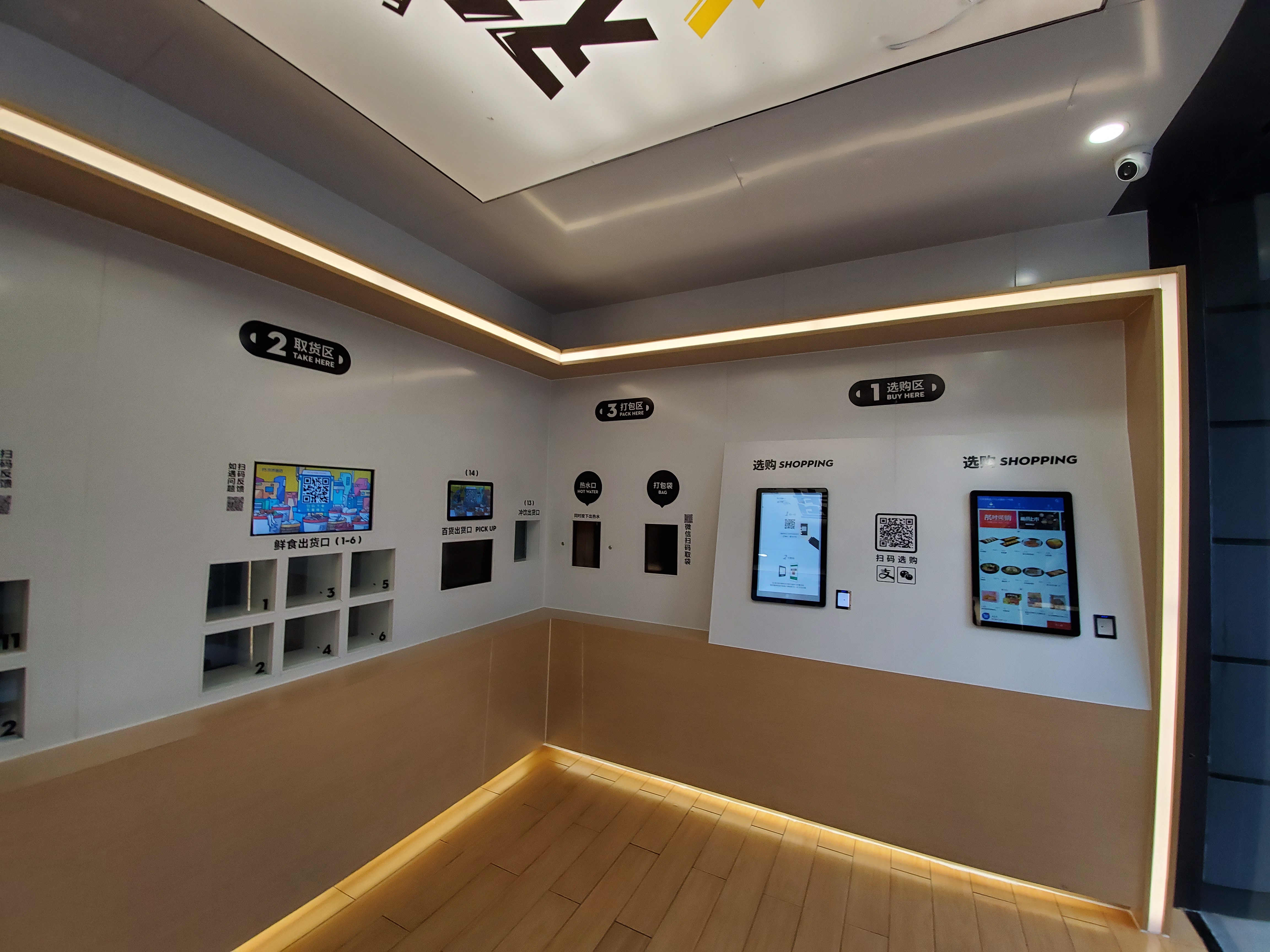
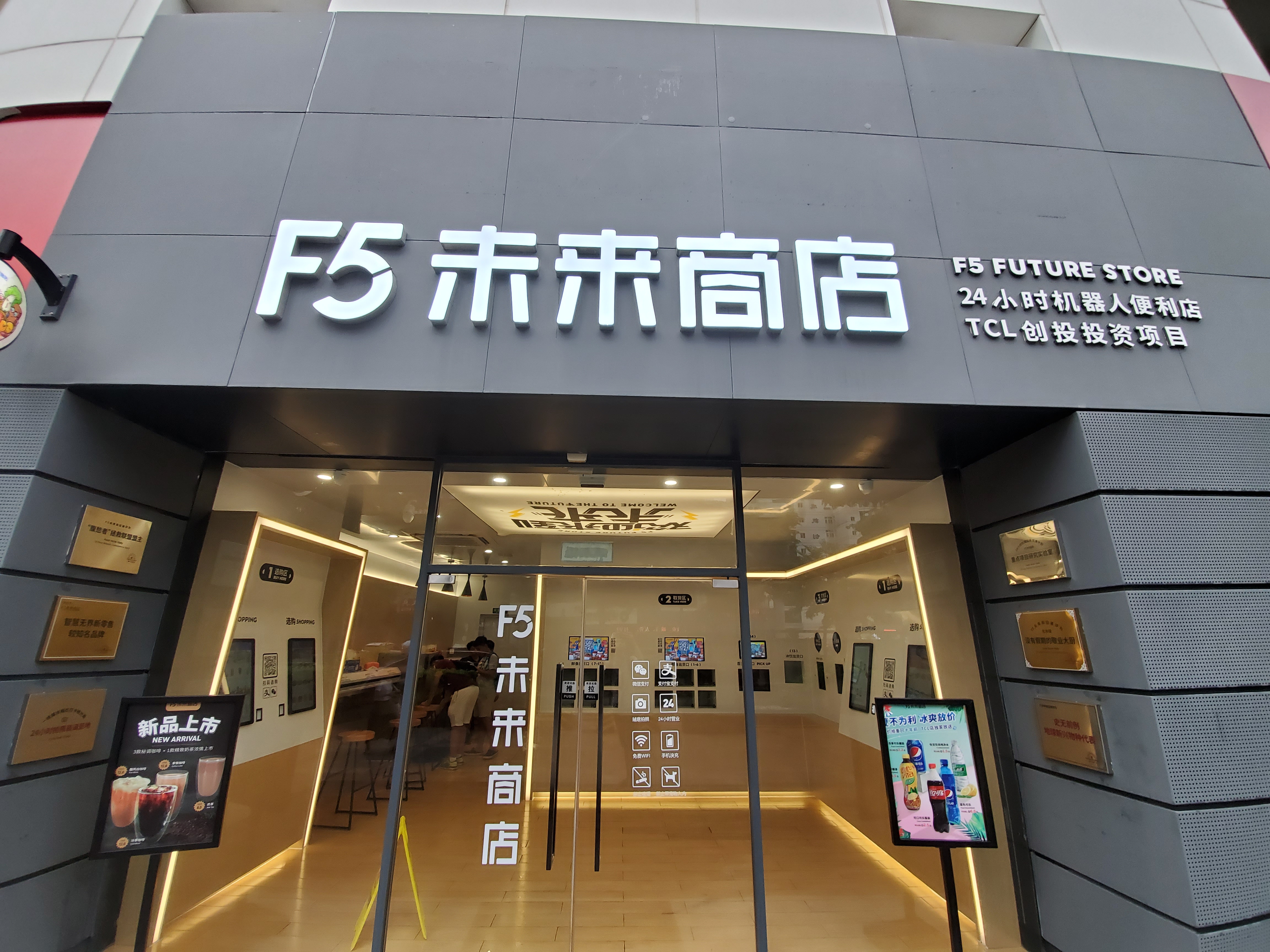
F5 Future Store is a convenience store that uses a combination of machine automation and artificial algorithms instead of labor.
The 35-square-meter F5 shop in Shenzhen consists of two counters for food and goods, a beverage-maker and a self-cleaning dining table. Customers can order and pay for products at a special terminal or wirelessly with their smartphones. The retrieval of goods and cleaning of tables is done solely by robotic arms attached to the appliances.
Shoppers receive their items in under a minute without having to line up to check out.
The unmanned convenience store is a nascent industry that is attracting big companies both in China and abroad. E-commerce giant Amazon sparked market interest when it revealed its concept of Amazon Go stores, which allow shoppers to walk in, pick up goods and leave without interacting with anyone. Technologies including computer vision, deep-learning algorithms and sensors help track what buyers take and then bill their accounts.
Alibaba is rapidly expanding its new offline retail store, Hema, throughout China.
The tech giant has grown its brick-and-mortar supermarket to 65 stores overthe last year. And, although it may seem a shift from Alibaba’s tech roots, the store operates on cutting-edge innovations.
“Alibaba has a very ambitious strategy of the convergence of online and offline retail,” said Gil Luria, director of institutional research at financial services firm D.A. Davidson & Co. “If you think about what Amazon aspires to do with Whole Foods, you just need to go to Hema and you get a preview of that. ”
Customers use Hema’s mobile app, using it to scan barcodes throughout the store to find out things such as product information and recipe ideas. Alibaba knows everything a customer has purchased, so it offers users the option in the future to quickly order the same goods to be delivered to their home.
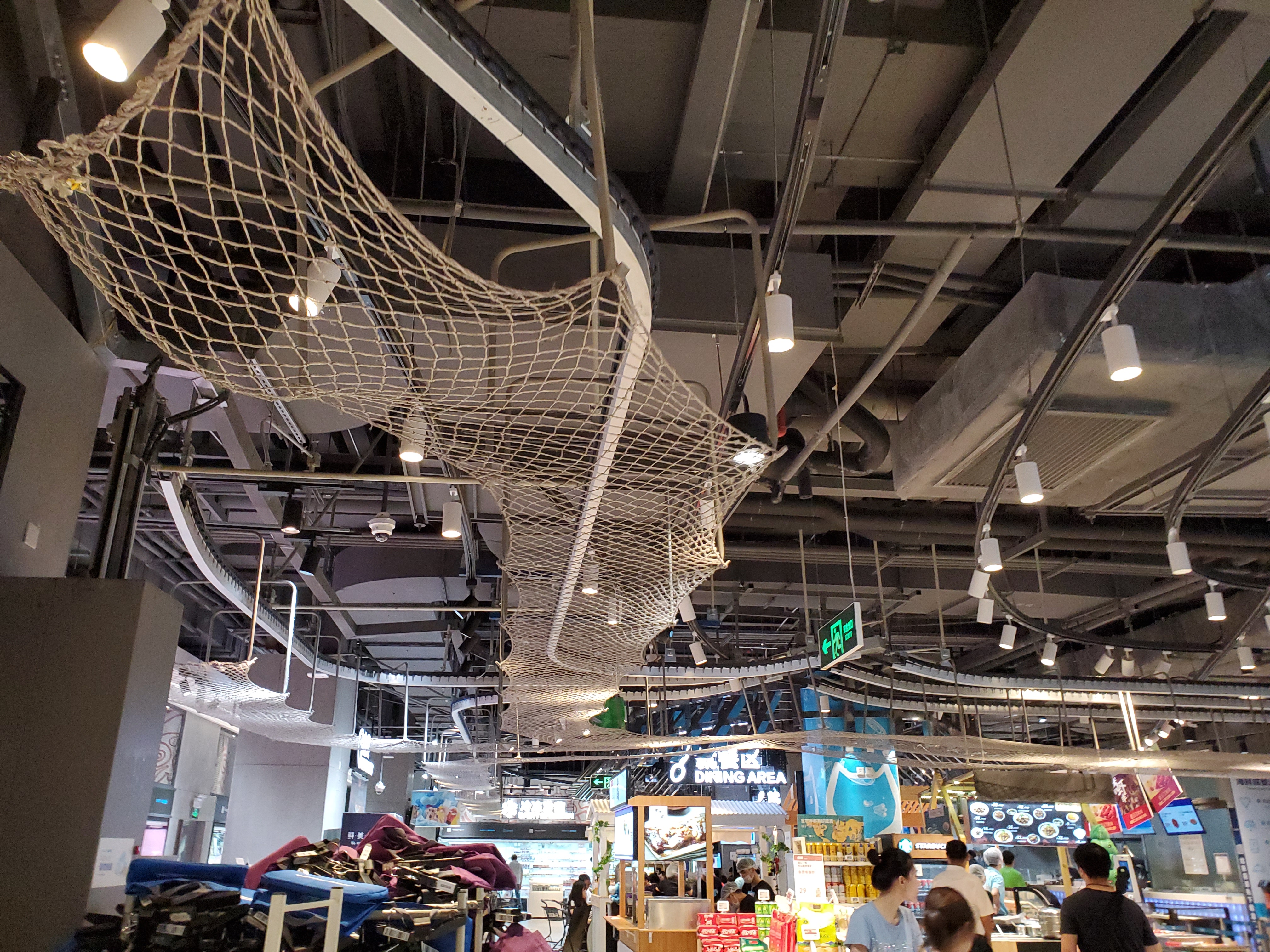
The stores double as distribution centers, where assigned employees roam around filling bags with online orders, then place them on a conveyor belt to the delivery center.
Typically, customers within a three-kilometer radius can receive their groceries within 30 minutes, the company said.
Getting customers offline to become comfortable ordering online could be a key pillar to Alibaba’s strategy.
Customers pay through their accounts on Taobao or Alipay, the online payment platform from Alibaba-affiliated Ant Financial. At select Hema stores, customers can even pay by scanning their faces at kiosks.
Connected to a Hema store in Shanghai, Alibaba recently introduced its new, Robot.He restaurant. Inside, customers use their phone to scan a QR code at their table and begin ordering from the menu – all using the Hema app. From there, most dishes, save for large soups requiring a human server, are delivered to tables by robotic devices.
The high-tech stores appear poised for all manner of innovation.
“With technologies like Alibaba, I would not be surprised at all if they’re doing facial recognition, tracking, using geo-locations, trying to compel shoppers to buy more by providing what they see as a better customer experience,” Luria said.
Alibaba has been aggressively expanding into facial recognition lately.
Earlier this year, Alibaba lead a round of $600 million in funding for SenseTime, a Hong Kong software company that specializes in facial recognition for governments and companies in China. Meanwhile, last year, Alibaba partnered with KFC to offer an option for customers to pay by their face.
“They’re betting significantly on offline and the new retail strategy,” Luria said. “The stock price would probably be a lot higher right now if they stayed in online, but they’re putting a lot of their profits into executing this online-to-offline strategy.”
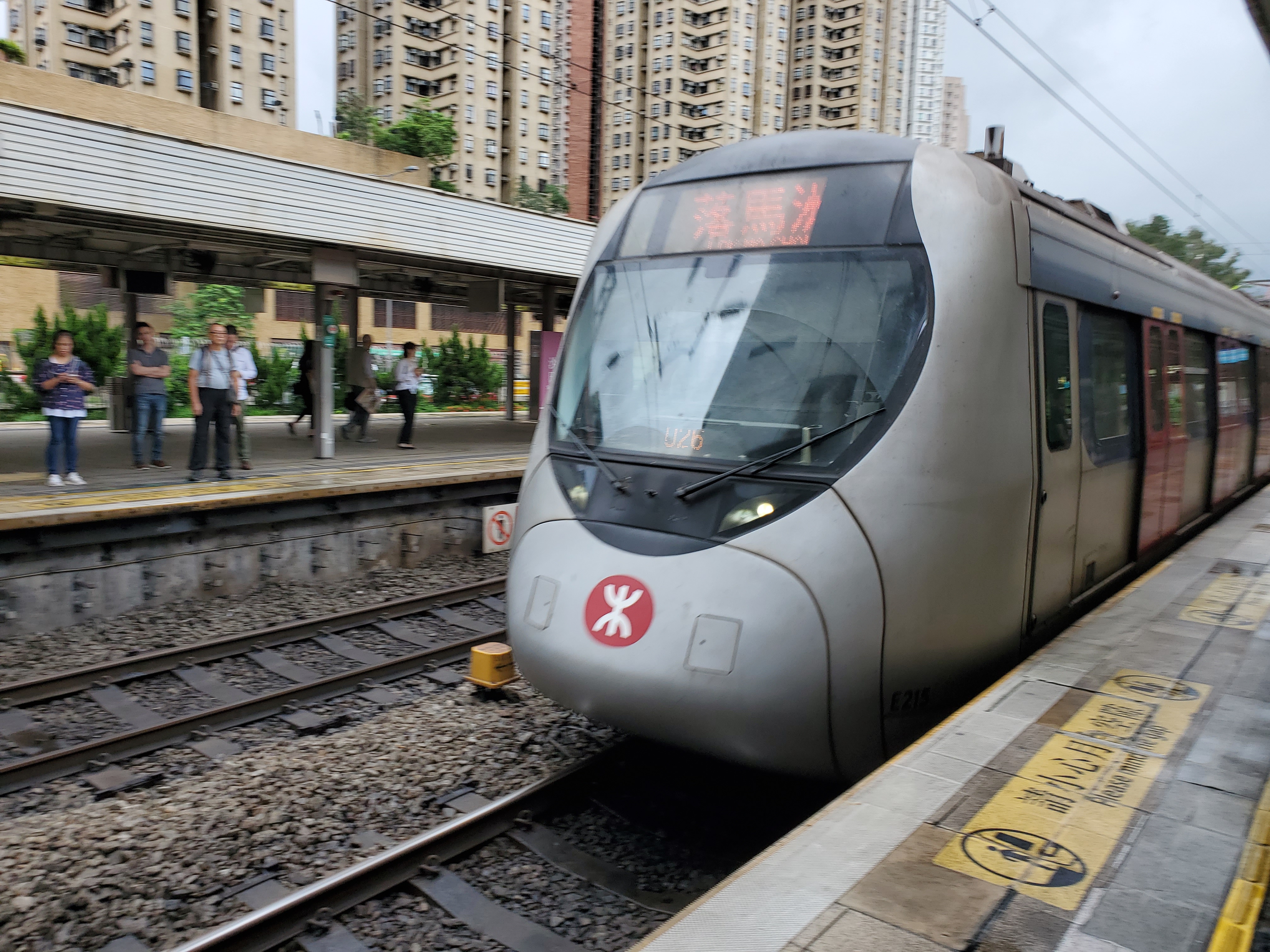
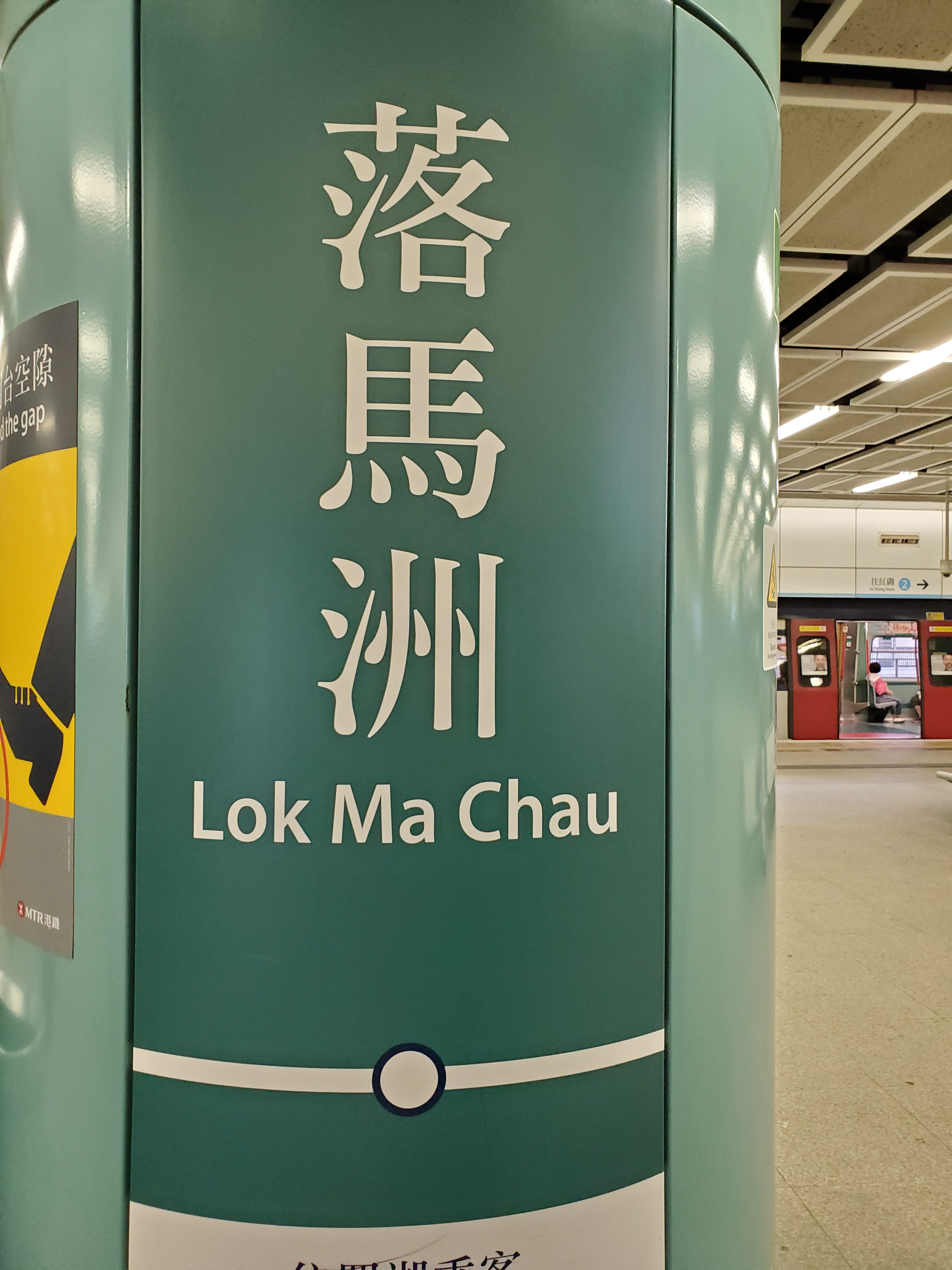
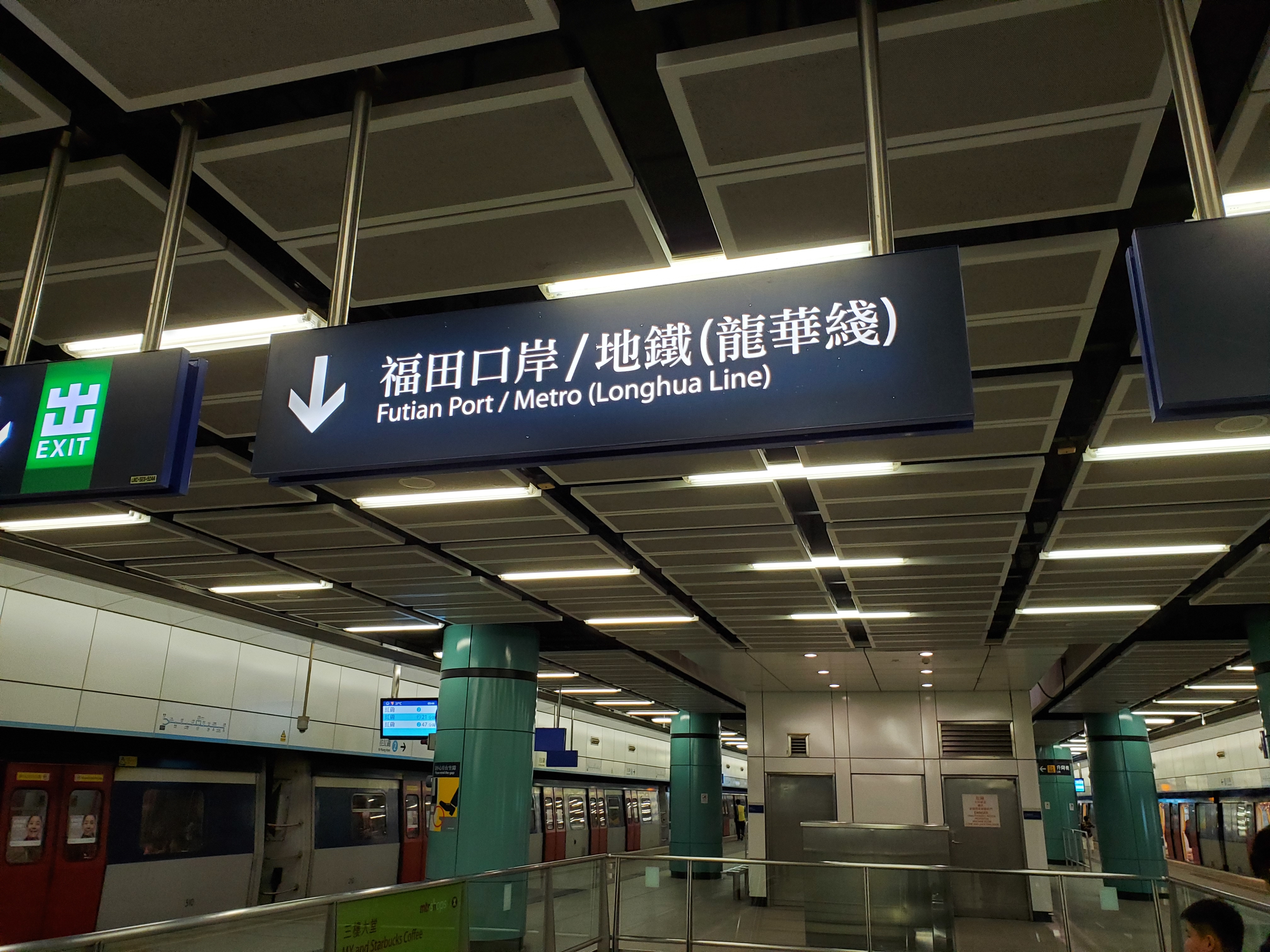
The East Rail Line, one of the 10 MTR lines in Hong Kong, used to be one of the three lines of the Kowloon-Canton Railway (KCR) network. First known as the KCR British Section, it is now called KCR East Rail. It starts at Hung Hom Station in Kowloon and terminate at Lo Wu or Lok Ma Chau stations, both of which are boundary crossing points into Shenzhen. Through trains starting from Hung Hom to Guangzhou, Shanghai and Beijing also use this railway. Custom facilities are available at Hung Hom (for Through Train passengers) and Lo Wu/Lok Ma Chau (for border interchange passengers).
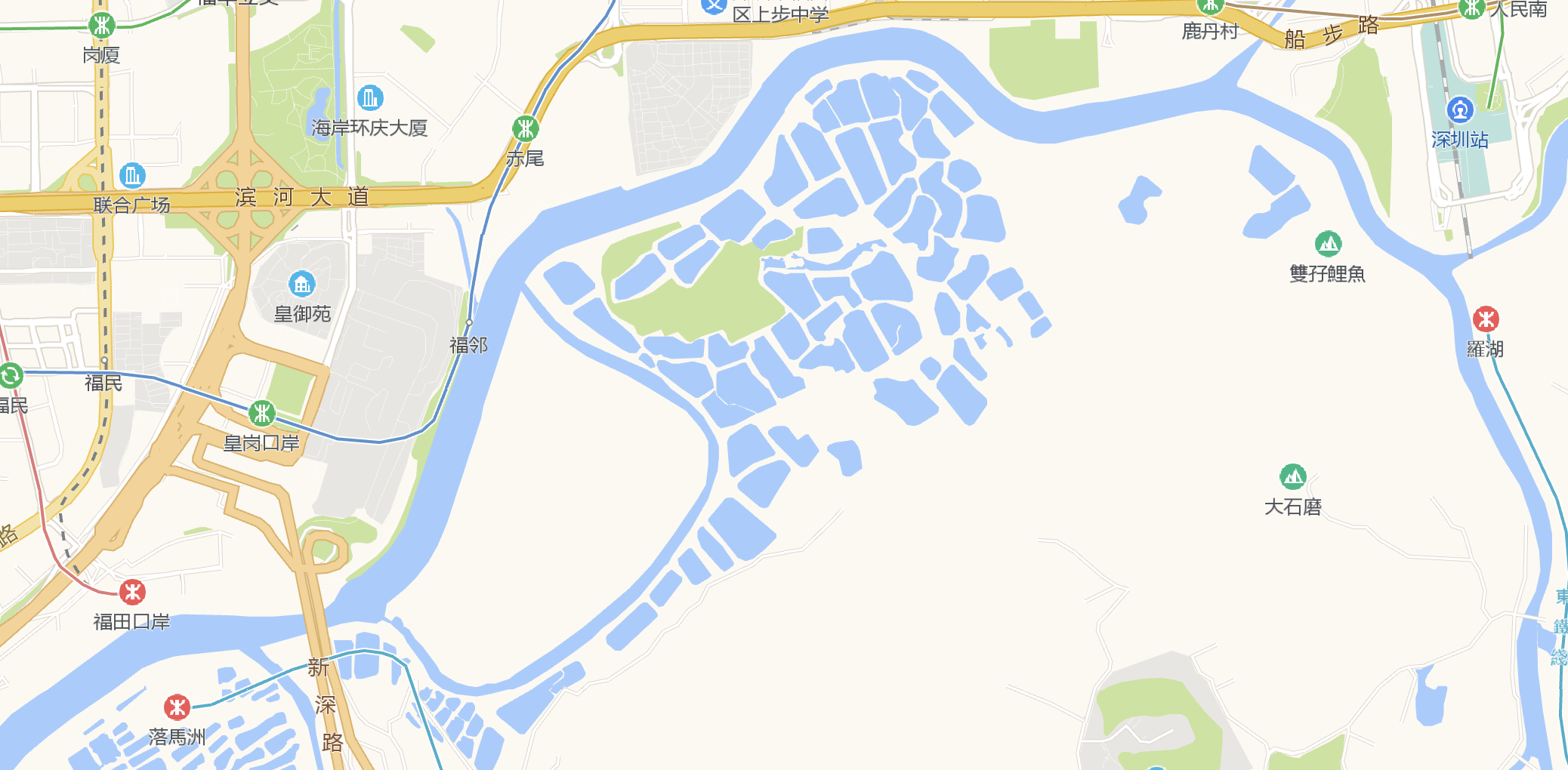
A map showing the Lo Wu and Lok Ma Chau crossing facilities.
Named after the Portuguese explorer and naval commander Tristão da Cunha, Rua do Cunha (Cunha Street) is a narrow pedestrian street filled with shops, stalls and vendors offering a range of delicious snacks, such as almond cakes, phoenix egg rolls and peanut candy, freshly made on the premises. This makes the street one of the best places for tourists to buy local delicacies as “souvenirs” back home.
Vila de Taipa Entrance
Rua do Cunha is located in Vila da Taipa, the town centre of Taipa. Here, you can find many beautiful buildings built in Portuguese style with vibrant colours and tall columns, seemingly being instantly transported to Portugal instead of Macau. I personally love these buildings as it adds a European flair to Macau and immerses visitors in Macau’s unique multicultural society and heritage.
Skip the touristy and overrated Pastelaria Koi Kei and head to one of my favourite stores in Rua do Cunha: Heong Kei Jerky (香記肉乾), which serves up terrific beef and pork jerky in several flavours (original, spicy and barbecue). It is one of the best in Macau as it is so tender and flavourful, and is great souvenir as it can be stored for a long time.
Storefront of Heong Kei Jerky; Credits: Taipa Village
Another fabulous shop that I love is Casa de Bolos Man Kei (文記餅家), which makes small batches of traditional Cantonese bakery goods baked fresh everyday such as Wife Cakes (老婆餅), which contains a filling of winter melon in a thin crust of flaky pastry, and Phoenix cookies (雞仔餅), which has a chewy crust filled with dried pork. These too are great souvenirs as they do not expire quickly.
Storefront of Casa de Bolos Man Kei; Credits: Openrice
Overall, Rua do Cunha is a great place for tourists to buy local Macanese delicacies as souvenirs to bring back home and is a fine example or product of Macau’s rich multicultural heritage.
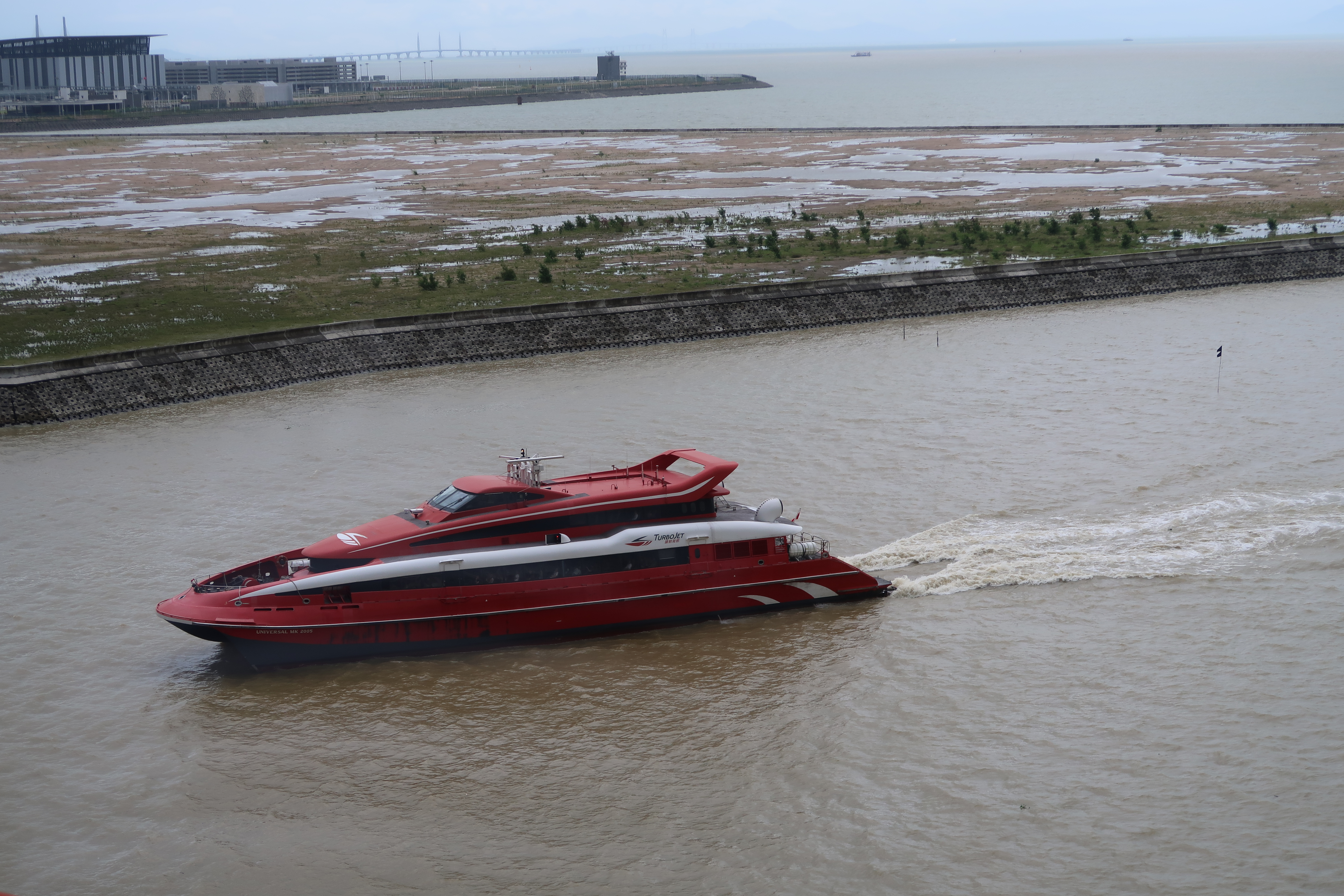
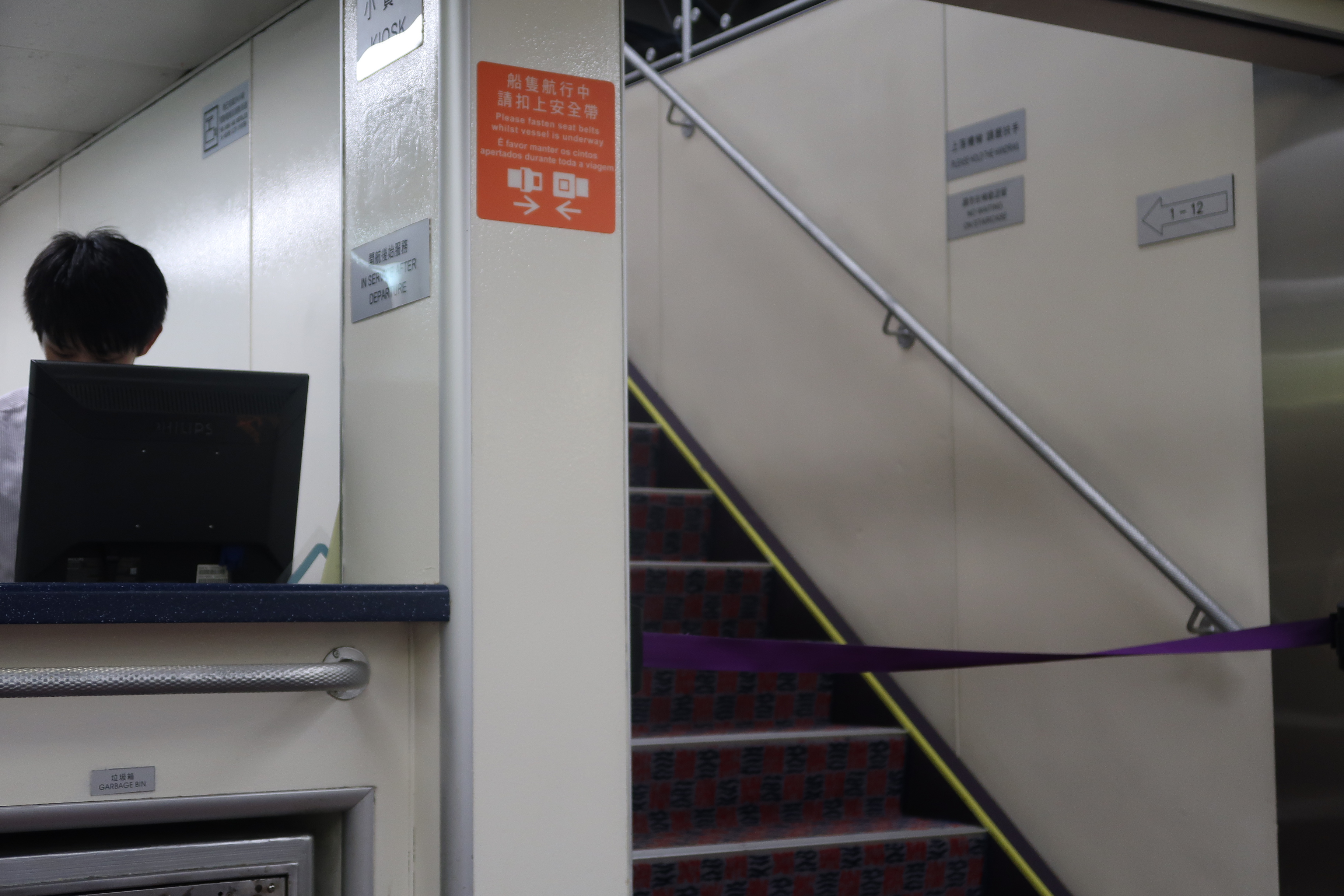
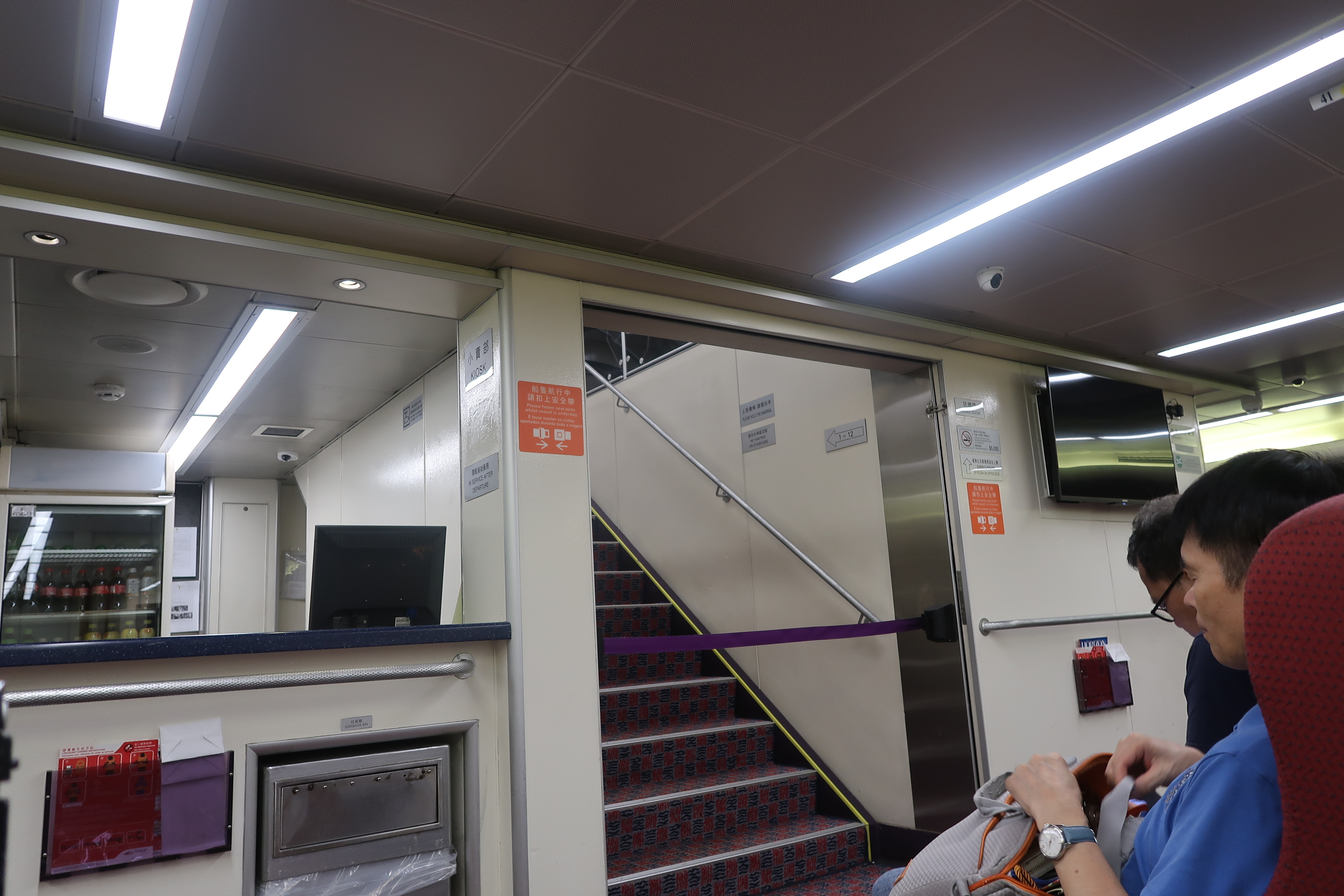
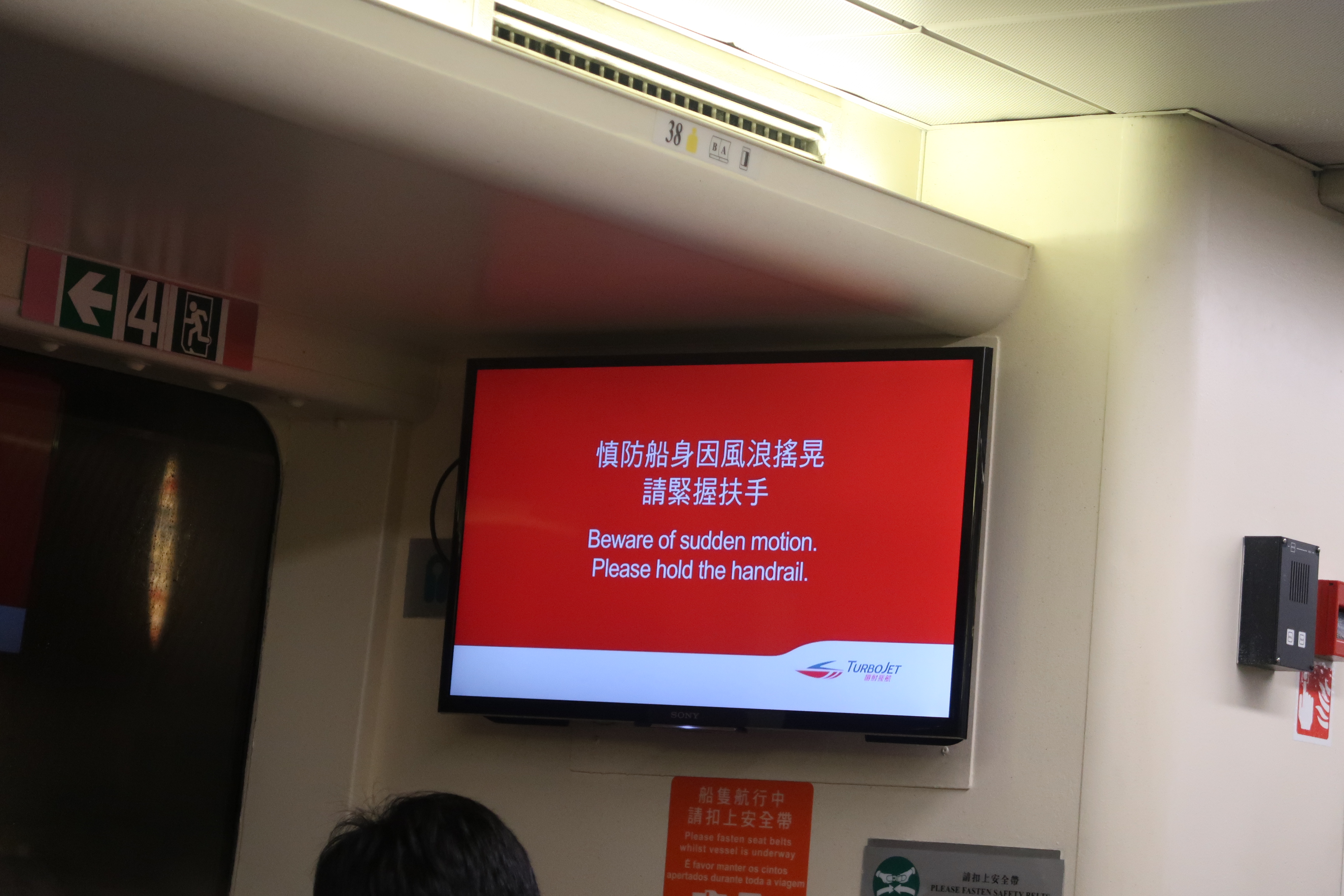
Macau Ferries from Hong Kong depart from both Kowloon and Hong Kong Island. The journey takes around one hour.
Ferries to Macau leave from two terminals in Hong Kong and arrive at both Macau Terminals, the main terminal and the Taipa Terminal, you can choose whatever is more convenient to where you are staying in Hong Kong:
Ferry from Hong Kong Island sails from the Macau Ferry Terminal in Central/Sheung Wan
The Kowloon Ferry departs from the China Ferry Terminal at 33 Canton Road in Tsim Sha Tsui
There are two terminals in Macau, the main Terminal and the Taipa Terminal.
The Taipa Terminal services the Cotai Strip and is convenient if you are going to the Casinos or to catch a show at one of the fantastic venues at City of Dreams i.e. The House of Dancing Water, a highlight concert or event. For visiting the historical center of Macau the Main Terminal is more convenient.
If you happen to end up at the Cotai Ferry Terminal rather than the main Macau Terminal (or viceversa) there are free shuttle services operated by the hotels and both terminals and they run non-stop so it is not much of a problem, in fact, you get to see a bit more of Macau!





 Guangzhou-Hong Kong-Macao Greater Bay Area